Case study | Coordinated workplace decommissioning
Workplace teardown. Control the logistics. Clear the workplace.
Five field days. One coordinated workplace exit. ASI connected second-floor furniture teardown, staging, removal and transport preparation with the crews and building requirements that made the sequence work.
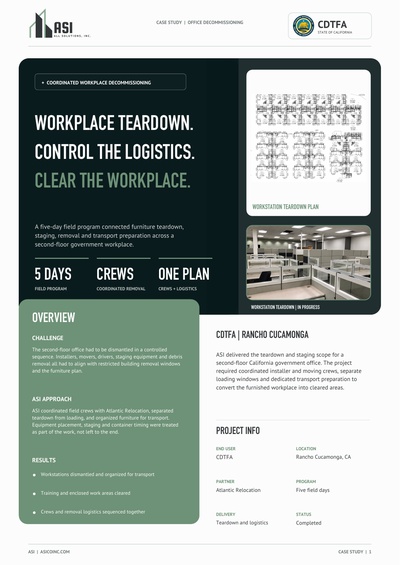
Overview
ASI delivered the teardown and staging scope for a second-floor California government office in Rancho Cucamonga. Working with Atlantic Relocation, the team connected furniture dismantling, material handling, removal logistics and transport preparation into a five-day field program.
Challenge
The challenge was not simply removing furniture. Installers, movers, drivers and equipment had to arrive in the right sequence. Components needed organized staging, while loading and container service had to respect the building’s removal windows and surrounding construction zones.
ASI approach
ASI connected the furniture plan to the field team, equipment and building constraints. Teardown, staging, loading and transport organization were managed as one sequence.
Plans and sequence
The plan set the sequence. The crews controlled the flow.
The workstation plan explains the repetition of the dismantling work. The training-room plan shows a distinct area within the same coordinated office exit.
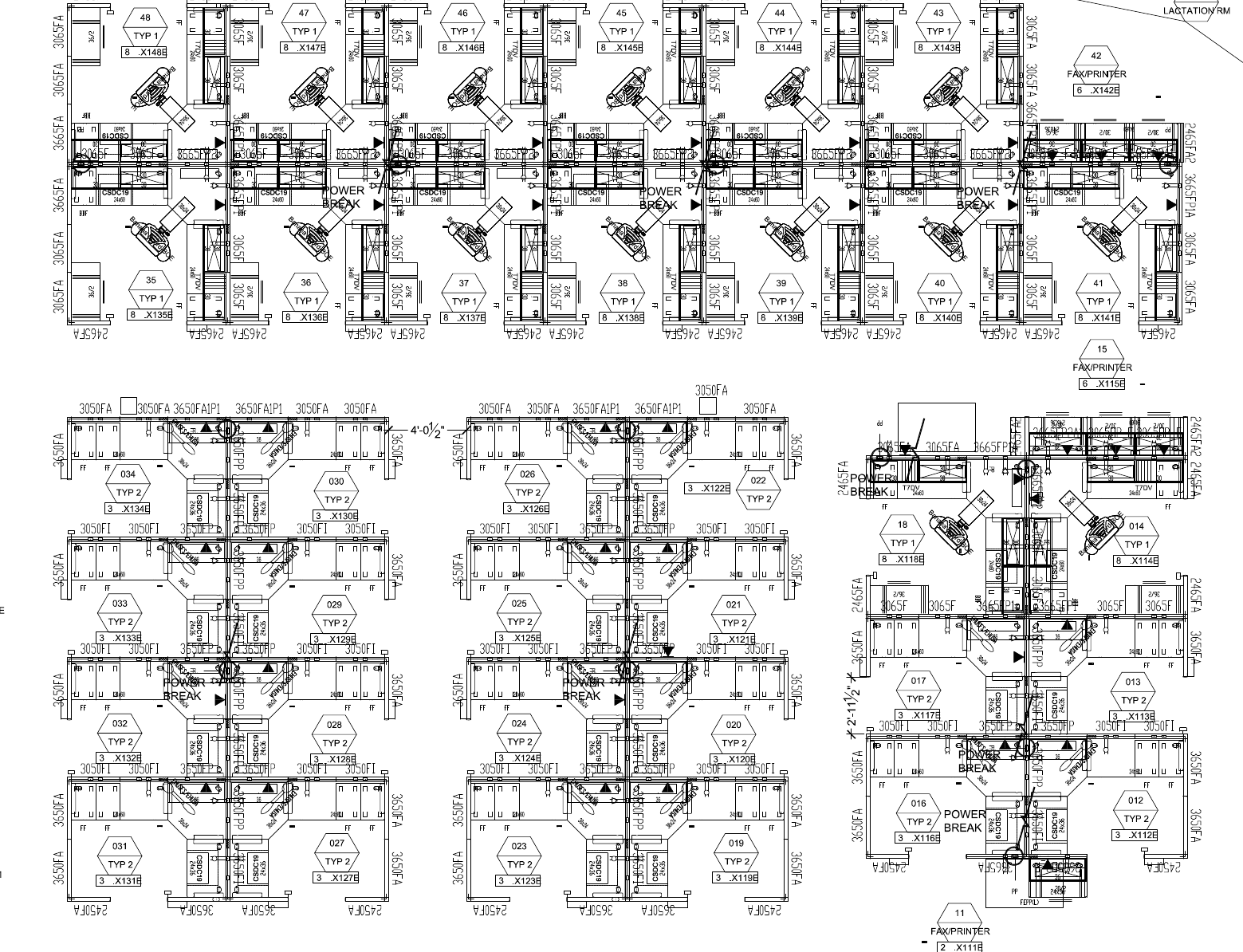
Workstation groups | Furniture plan excerpt
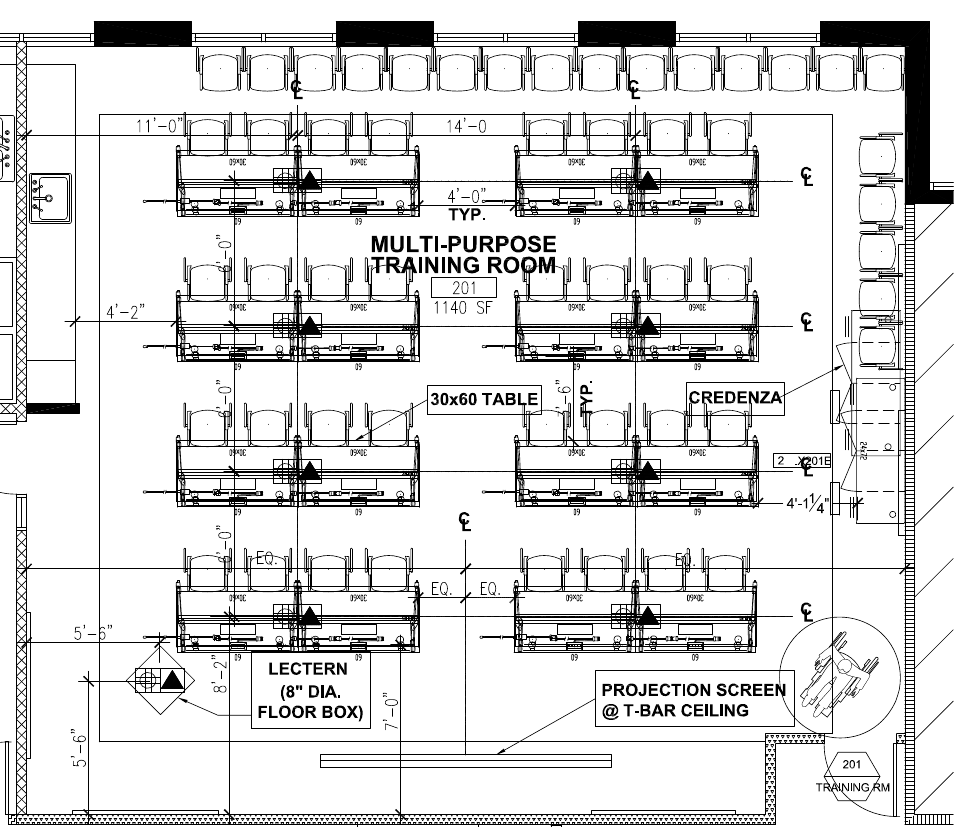
Training room | Furniture plan excerpt
Days 1 and 2
Furniture teardown.
Days 3 and 4
Decommissioning and loading.
Day 5
Transport organization.
The ASI delivery model
The work was more than removal. The sequence made it work.
Each stage prepared the next crew to work efficiently without losing control of materials or access.
Mobilize the right resources
ASI coordinated its field team, installer crews and Atlantic’s moving personnel. Dollies, panel carts and floor protection were positioned ahead of field activity so the operation could start with the equipment in place.
Dismantle by the plan
Cubicle groups were dismantled and their components moved into staging. The furniture drawing linked the assembled workplace to the field sequence.
Separate work from loading
Field production and outbound handling had different constraints. ASI coordinated the dismantling work with the building’s restricted removal windows and the moving crew’s arrival.
Manage removal logistics
Drivers, debris containers and material handling were coordinated around the site’s construction zones. Loading and container service were part of the execution plan, not a separate cleanup issue at the end.
Organize for transport
A dedicated final stage organized dismantled furniture for transport, connecting the origin teardown to the next logistics step.
The outcome
A furnished workplace cleared. A controlled transition delivered.
Furniture systems dismantled
Workstation systems were dismantled and moved into staging.
Interior areas cleared
Training and enclosed work areas were cleared following furniture removal.
Field work and loading connected
A coordinated sequence aligned production and outbound handling.
Transport preparation integrated
Transport preparation was incorporated into the office-exit program.
Field execution
The work in the field. The space after removal.
Distinct views show dismantling in progress, organized staging and cleared areas. The project story is the transition from assembled workplace systems to an orderly office exit.
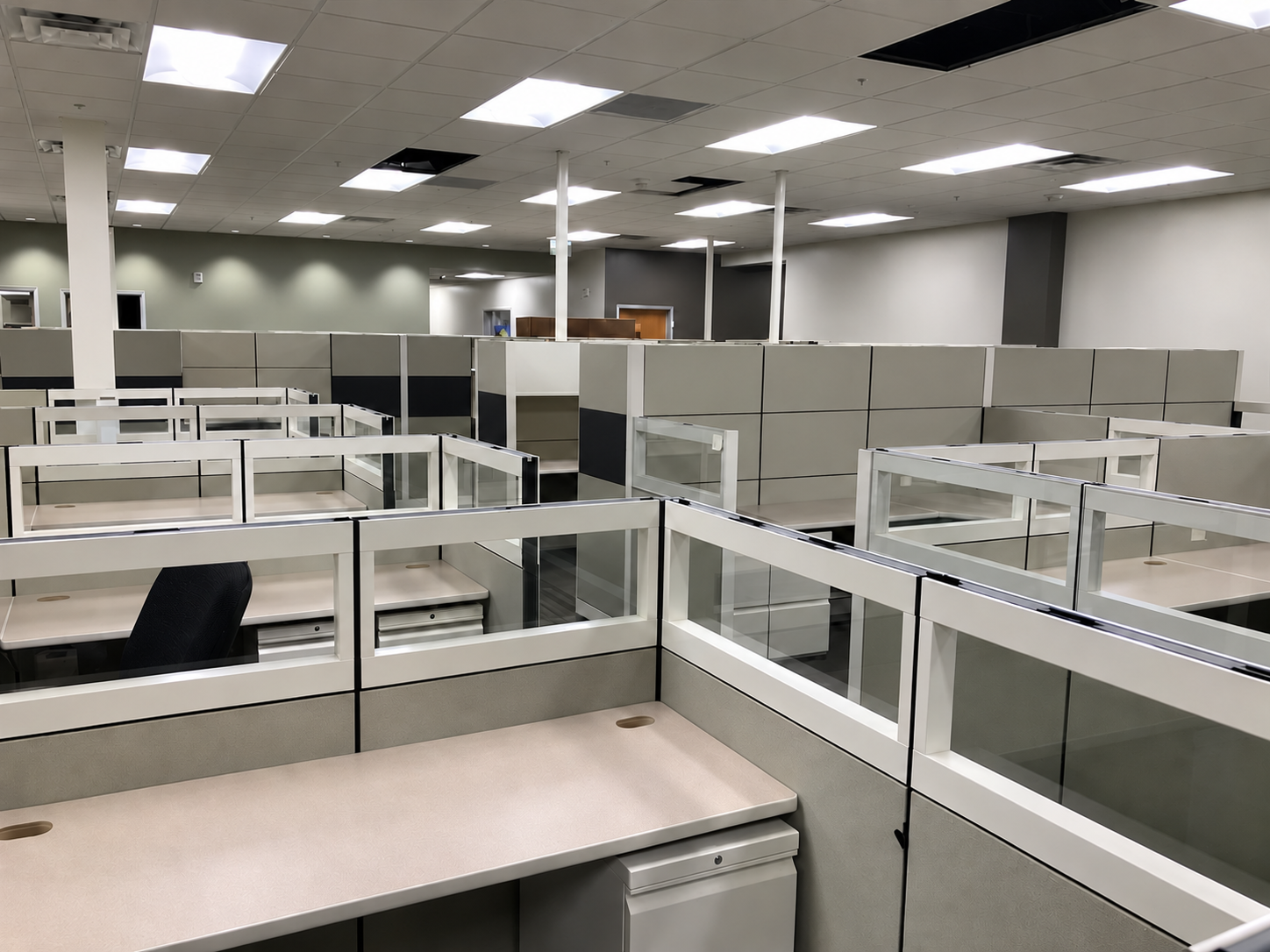
Workstation teardown at CDTFA Rancho Cucamonga | In Progress
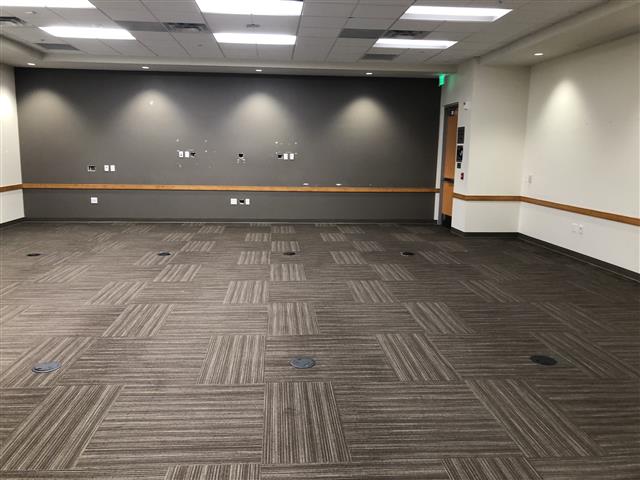
Training room clearance at CDTFA Rancho Cucamonga | Completed
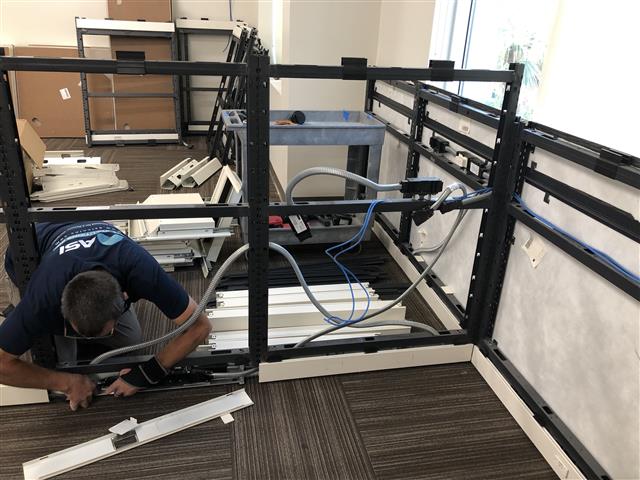
Furniture teardown at CDTFA Rancho Cucamonga | In Progress
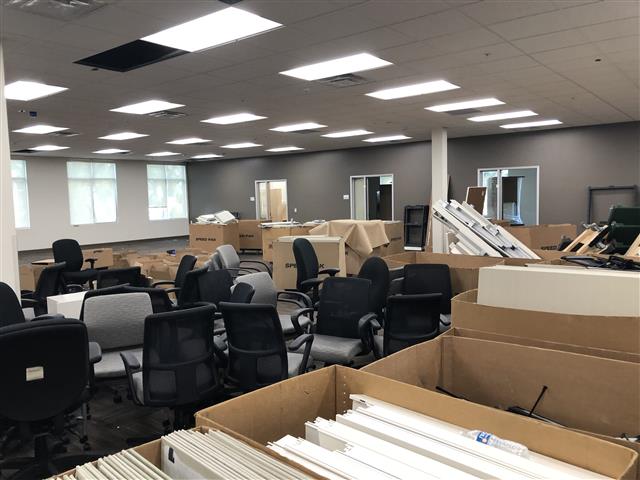
Transport staging at CDTFA Rancho Cucamonga | In Progress
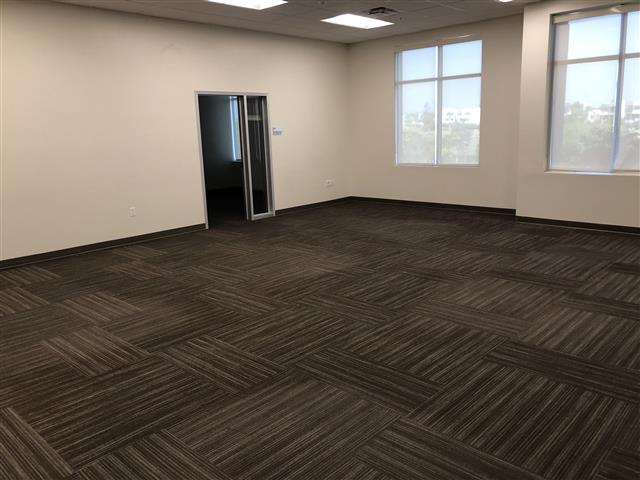
Work area clearance at CDTFA Rancho Cucamonga | Completed
Read the full case study.
Furniture teardown, staging, removal coordination and transport preparation, connected through one accountable partner.

One accountable partner.
From planning through final closeout.
Planning a complex office exit? ASI coordinates the field teams, logistics and closeout through one accountable partner.