Case study | Coordinated office exit
Dismantle. Clear. Follow through.
ASI connected furniture dismantling, coordinated loadout, recycling, localized repairs and specialty closeout for Siemens' Huntington Beach workplace.
View Full Case Study PDF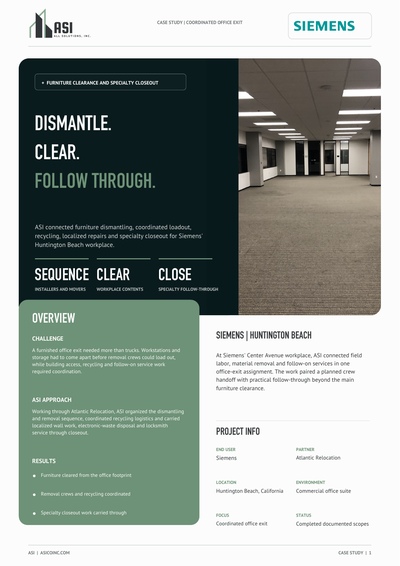
Overview
Challenge
A furnished office exit needed more than trucks. Workstations and storage had to come apart before removal crews could load out, while building access, recycling and follow-on service work required coordination.
ASI approach
Working through Atlantic Relocation, ASI organized the dismantling and removal sequence, coordinated recycling logistics and carried localized wall work, electronic-waste disposal and locksmith service through closeout.
Workplace context
Read the workplace. organize the exit.
The early test-fit plan shows open workstation areas, enclosed offices, meeting space and circulation. It provides spatial context for the removal scope, not a record of construction performed by ASI.
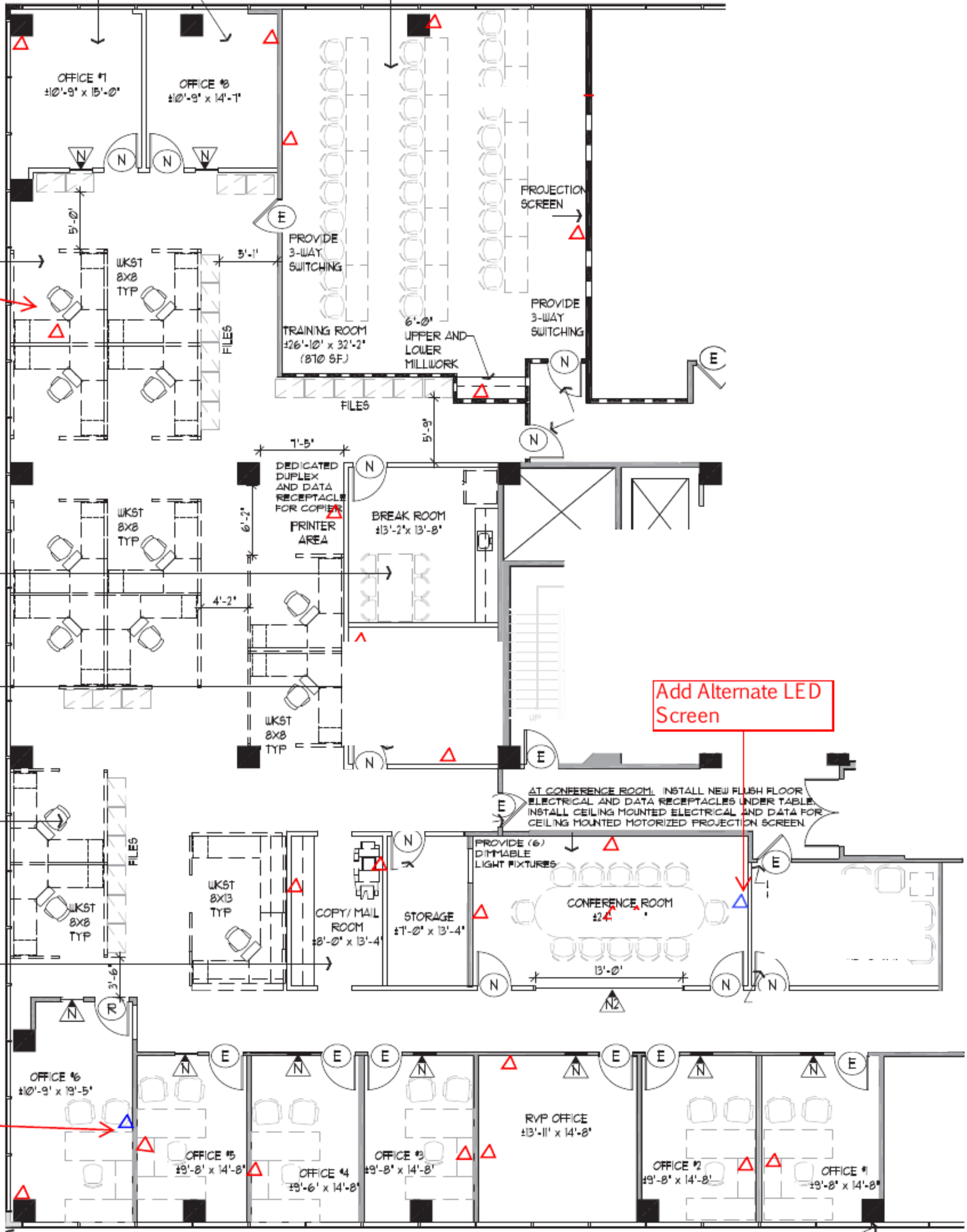
Early workplace plan
The ASI delivery model
Connected field responsibilities.
Organize daytime dismantling before the later moving crew, with truck resources and building access considered together.
Dismantle office furniture, coordinate removal for recycling or disposal, and clear remaining contents within the walkthrough scope.
Coordinate metal-recycling bin delivery and pickup with the removal sequence. Track electronic-waste disposal as a separate closeout scope.
Carry the added refrigerator removal and localized patching, sanding and paint work into the office-exit scope.
Coordinate expedited locksmith service and document the completed work through signed field closeout.
The outcome
What the project delivered
The workplace was cleared of furniture and designated contents, with broom-sweep and trash removal in the closeout scope. Localized wall work, electronic-waste disposal and locksmith service extended the assignment beyond the main loadout.
One coordinated office exit
The removal sequence connected people, material handling and building access instead of treating each as an isolated task.
Clear scope boundaries
Furniture and content removal were distinguished from prerequisite electrical work and unselected optional scopes.
Practical material handling
Recycling, disposal and electronic waste were addressed through defined removal responsibilities.
Follow-through after loadout
Localized surface work and signed locksmith closeout supported the remaining project responsibilities.
Field execution
Project photographs.
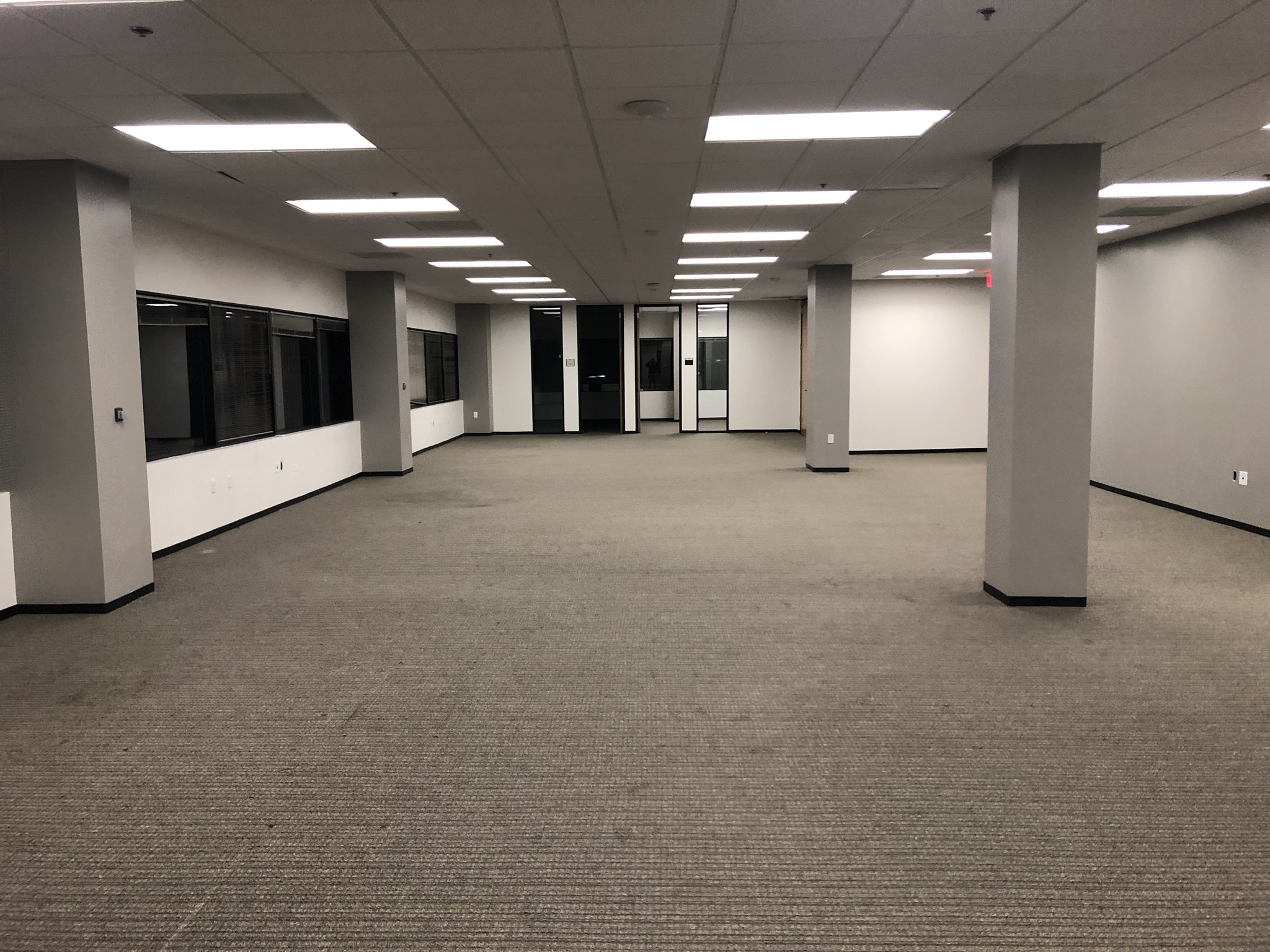
Office clearance | Completed
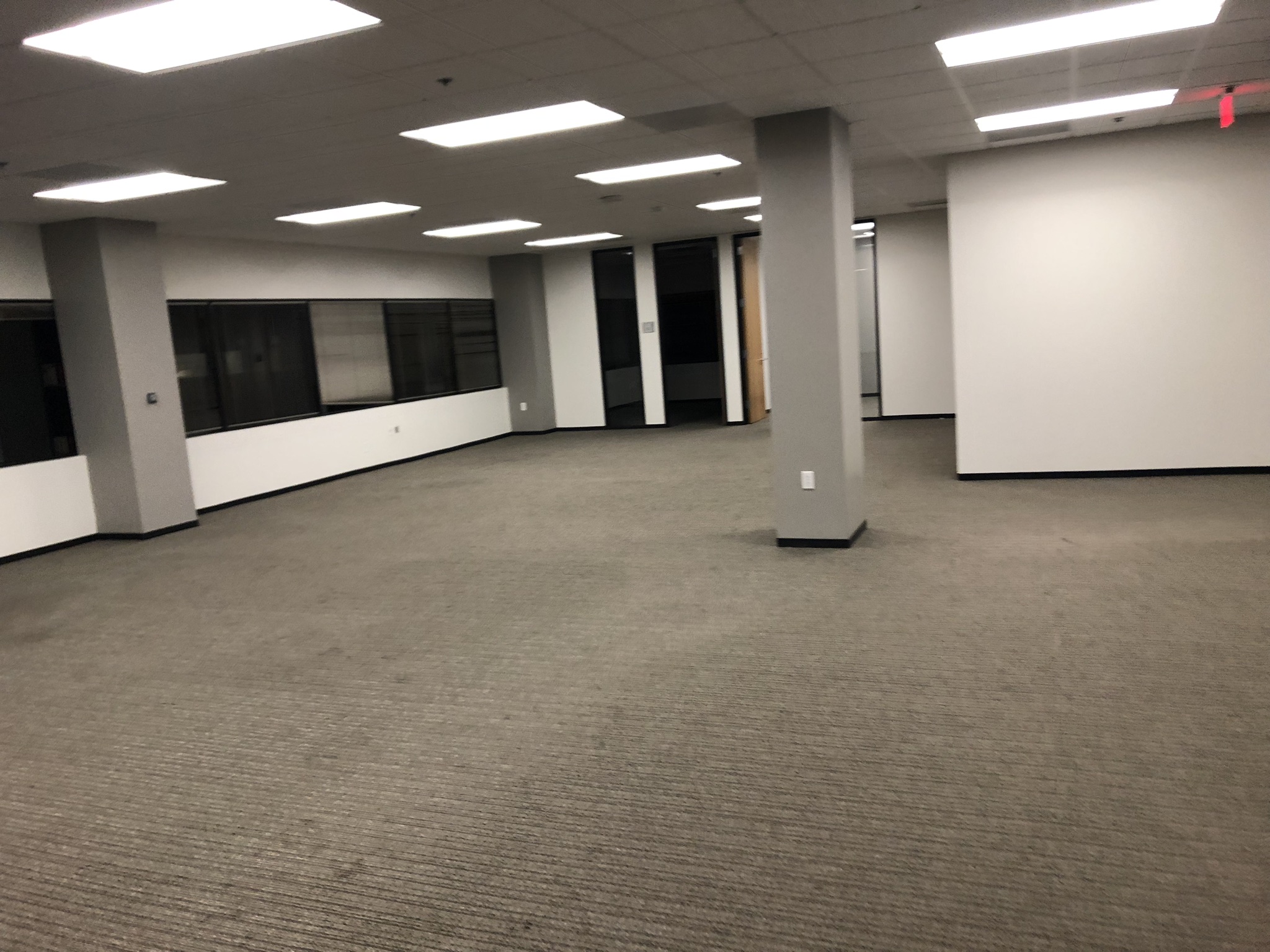
Open-office clearance | Completed
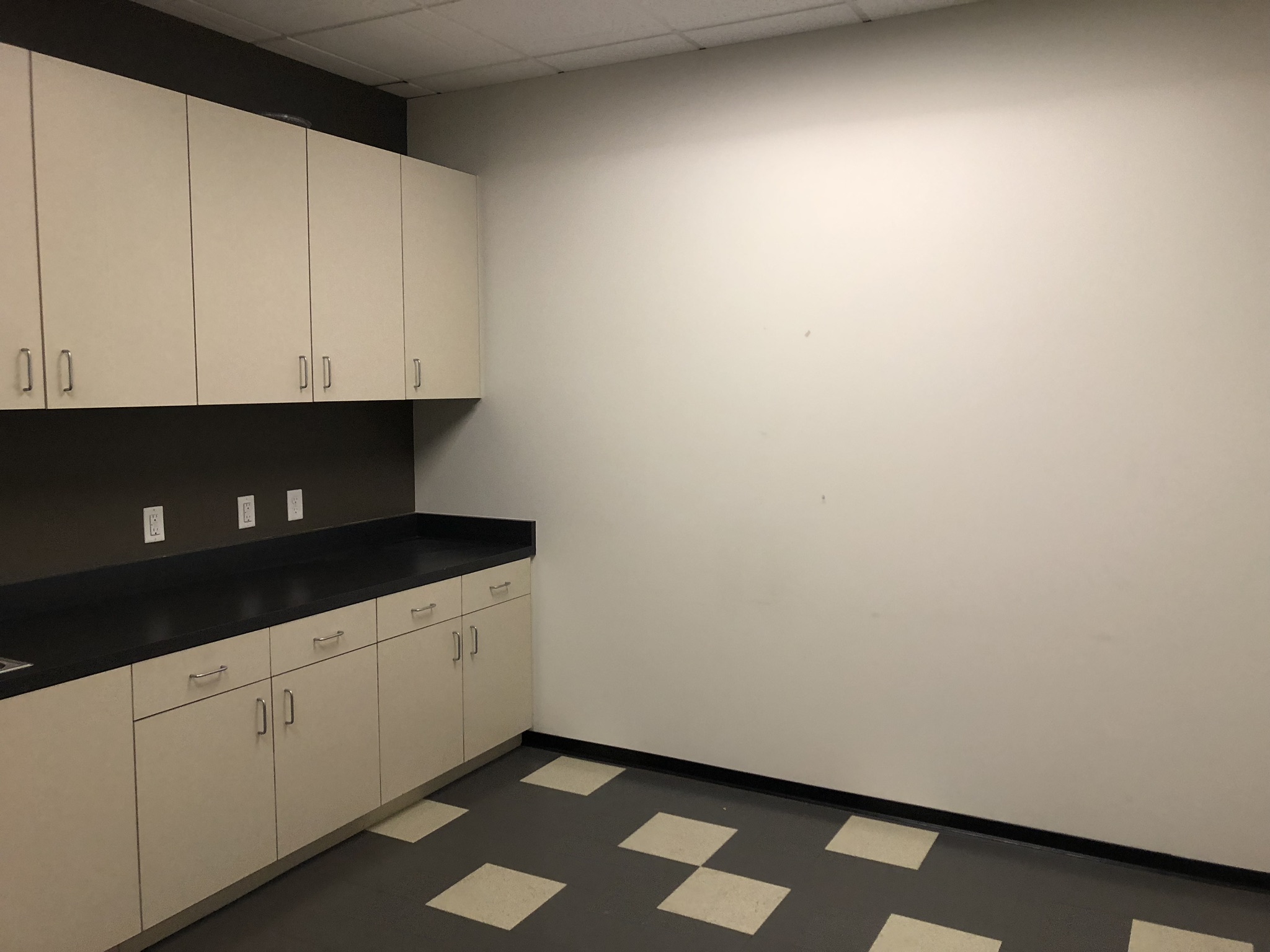
Breakroom clearance | Completed
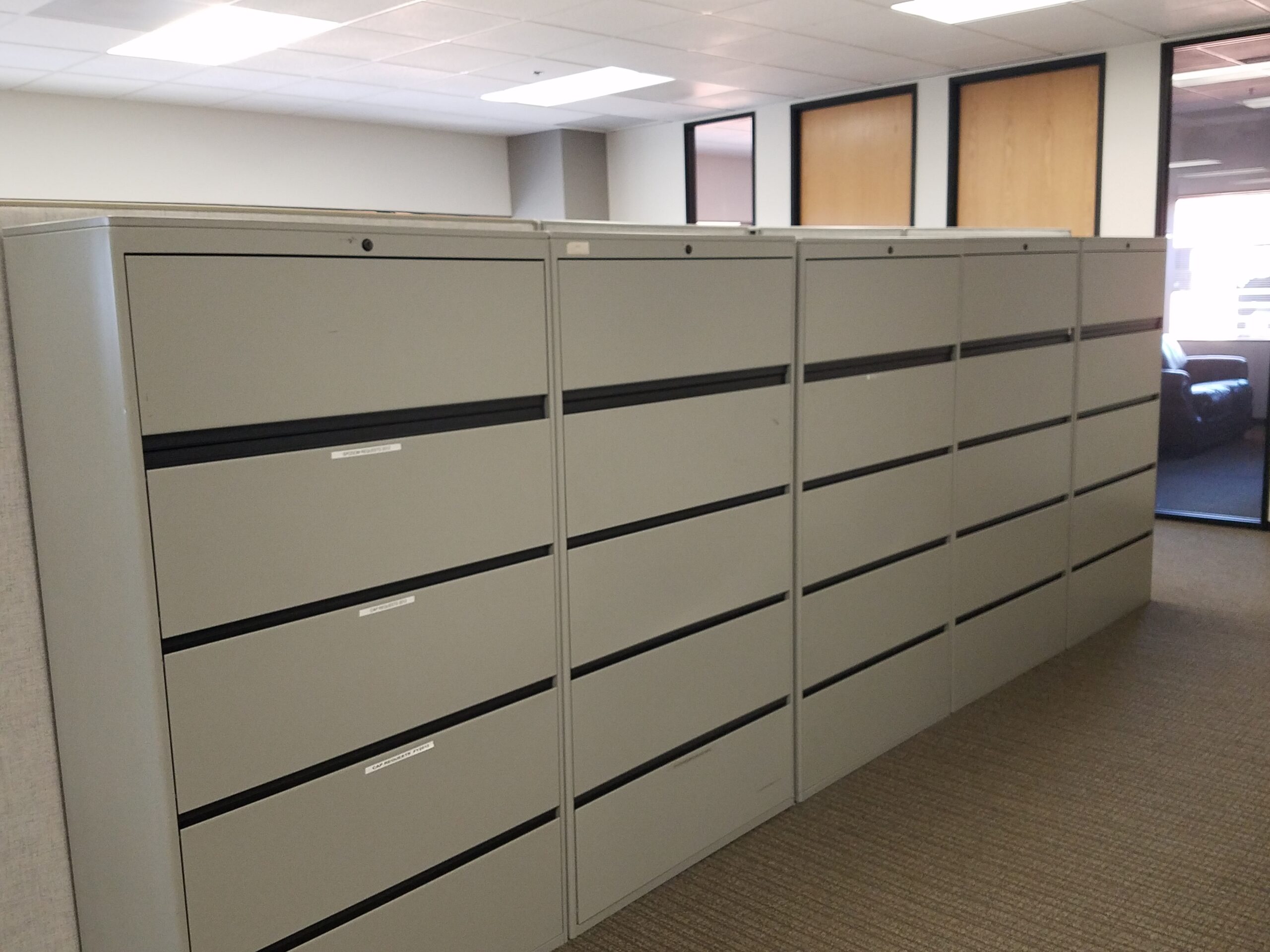
Furniture | Before
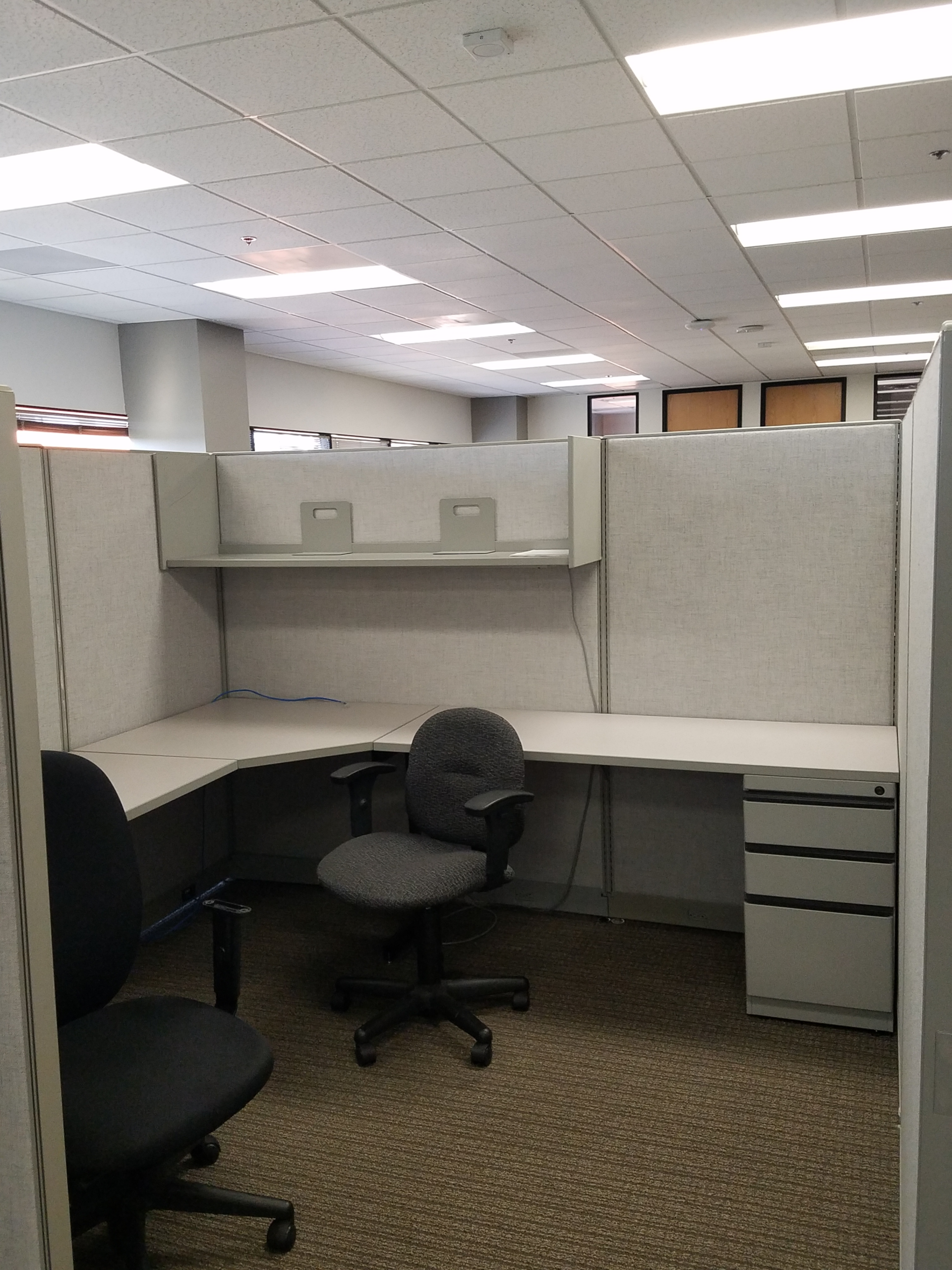
Workstations | Before
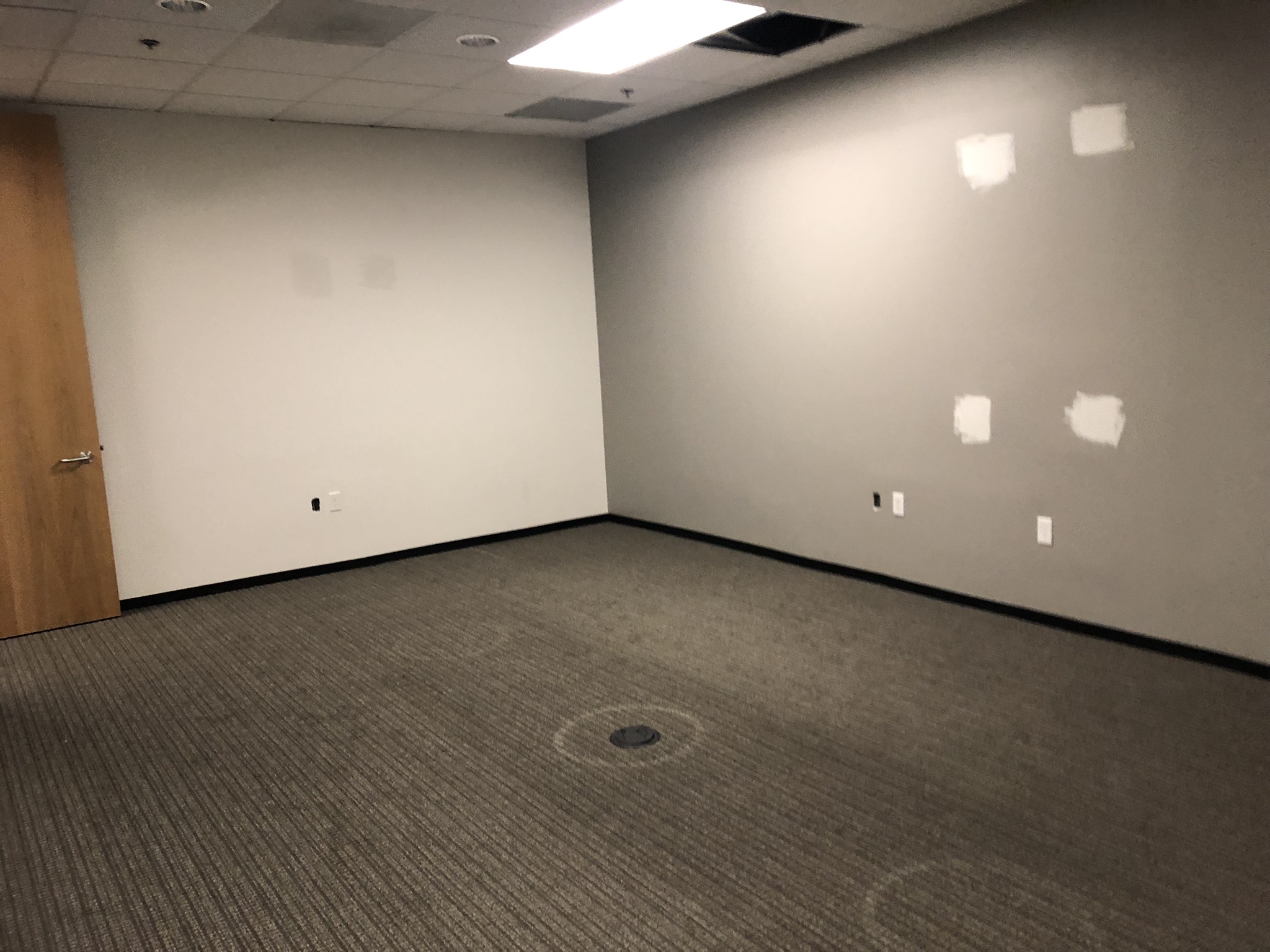
Wall preparation | In Progress
Read the full case study.
Download PDF