CASE STUDY | SELECTIVE WORKPLACE CLEARANCE
CLEAR WHAT MOVES. RETAIN WHAT STAYS. ONE ACCOUNTABLE TEAM.
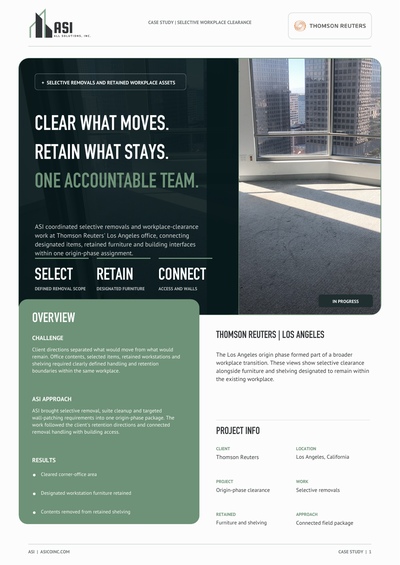
ASI coordinated selective removals and workplace-clearance work at Thomson Reuters' Los Angeles office, connecting designated items, retained furniture and building interfaces within one origin-phase assignment.
Overview
The Los Angeles origin phase formed part of a broader workplace transition. These views show selective clearance alongside furniture and shelving designated to remain within the existing workplace.
Challenge
Client directions separated what would move from what would remain. Office contents, selected items, retained workstations and shelving required clearly defined handling and retention boundaries within the same workplace.
ASI approach
ASI brought selective removal, suite cleanup and targeted wall-patching requirements into one origin-phase package. The work followed the client's retention directions and connected removal handling with building access.
Results
- Cleared corner-office area
- Designated workstation furniture retained
- Contents removed from retained shelving
Project scope and field dependencies
SELECTIVE WORKPLACE CLEARANCE. RETAINED ASSETS IN CONTEXT.
The same workplace combined cleared office areas with retained cubicles and shelving. Client Stay/Go directions defined those boundaries, making selective handling the central field requirement.
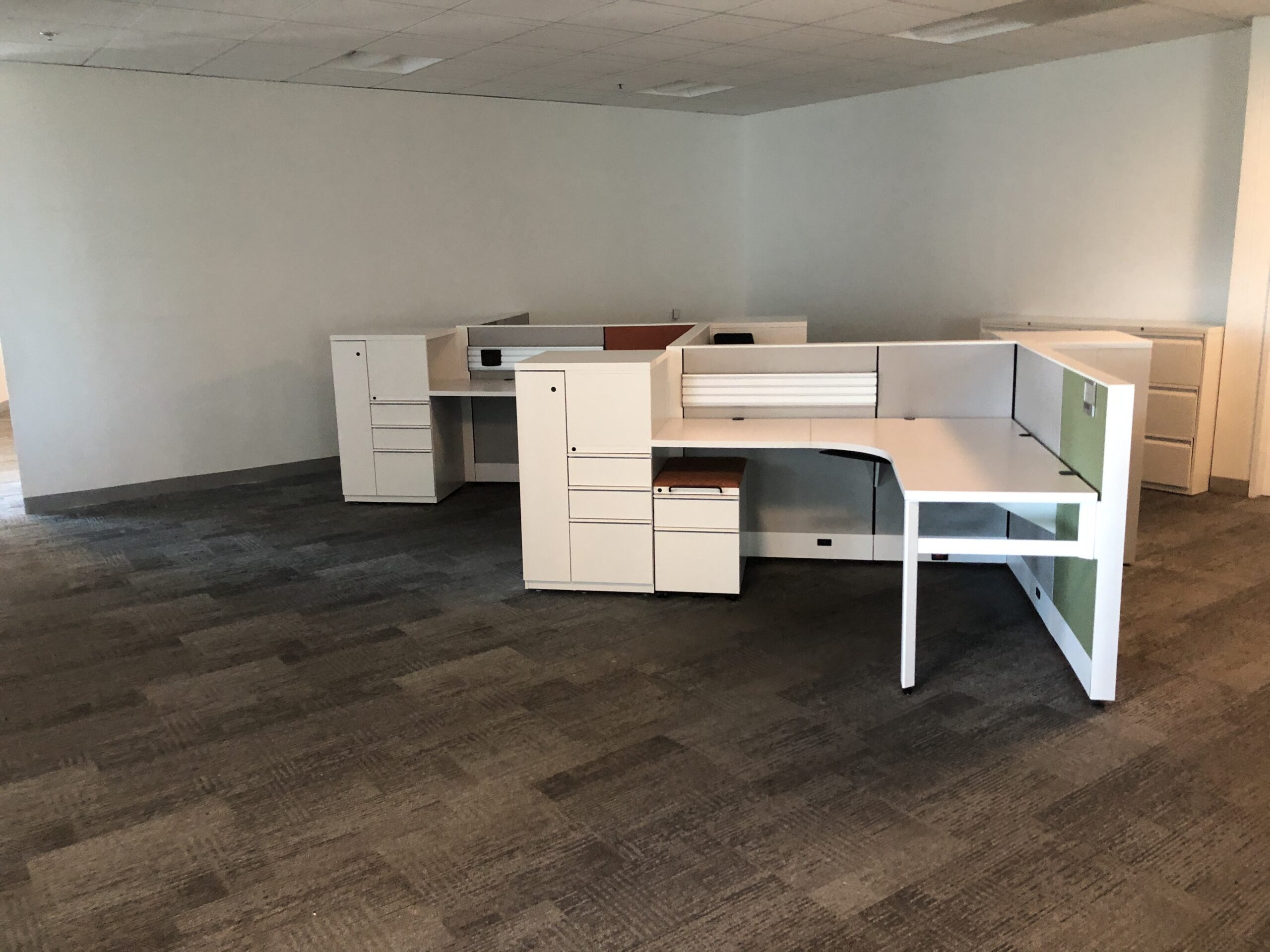
Retained workstation area | In Progress
Selective contents work
A cleared corner office, retained workstation cluster and empty shelving show different origin-area conditions. Existing furniture, floor finishes and installed building services remain in context around the selective contents work.
Removal interfaces
The assigned package included suite cleanup, battery recycling, artwork-hole patching and access work. Temporary glass-door removal belonged to a separate access workstream.
The ASI delivery model
DEFINE WHAT MOVES. CONNECT THE FIELD INTERFACES.
ASI coordinated the origin work around designated removal and retention boundaries. Contents handling, cleanup, targeted wall work and access requirements were linked in the same assignment.
Follow client retention directions
Separate designated move items from cubicles, office furniture and shelving instructed to remain.
Handle selected items and contents
Connect selective removal and handling with the origin workplace-clearance sequence.
Keep designated workplace assets
Client-directed retention kept designated cubicles, office furniture and shelving outside the general removal package.
Address artwork removal points
Connect the assigned artwork-hole patching requirement with affected wall locations after artwork removal.
Connect handling and access work
Coordinate building-access requirements with selective removals and cleanup. Keep temporary door access work in its defined workstream.
The outcome
CLEARANCE WHERE DIRECTED. RETAINED ASSETS PRESERVED.
Three distinct Los Angeles origin views show a cleared corner office, retained workstations and empty retained shelving. Together they explain the selective-clearance conditions within the existing workplace.
Office-area clearance
The Los Angeles corner-office image shows a cleared footprint with existing finishes and services retained.
Client-directed retention
Retained workstation furniture and shelving align with the client's defined origin-scope directions.
Connected wall and access scope
Artwork-hole patching and temporary access work formed defined requirements within the same origin package.
Origin-phase coordination
Selected items, retained assets, cleanup and access were connected within the Los Angeles field assignment.
Field execution
SELECTIVE ORIGIN CLEARANCE. THREE DISTINCT WORKPLACE VIEWS.
Los Angeles origin-phase photographs show a cleared corner office, designated workstation furniture retained and contents cleared from retained shelving. All views preserve existing building conditions and their depicted work stages.
Retained workstation area | In Progress
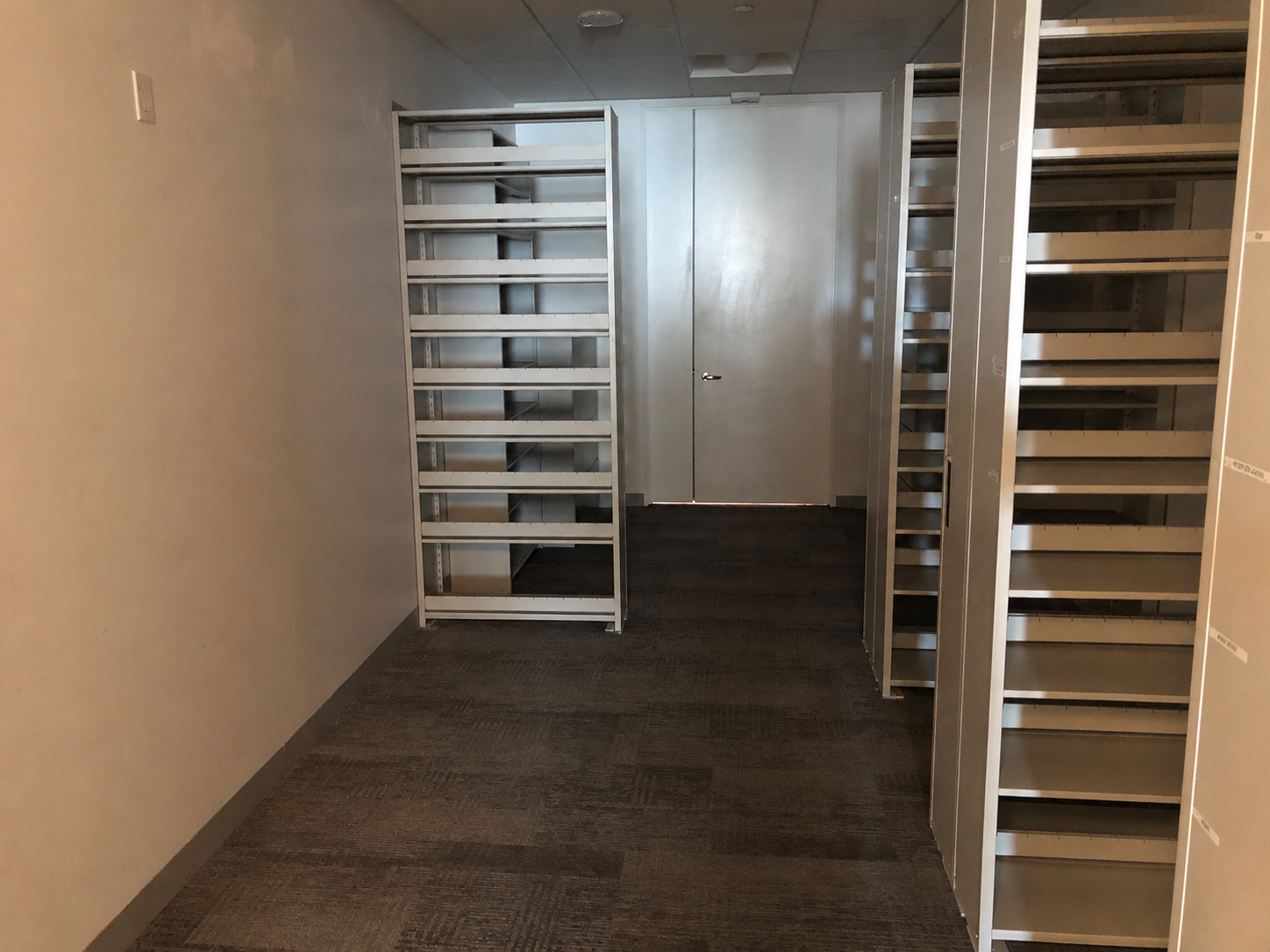
Selective contents clearance | In Progress
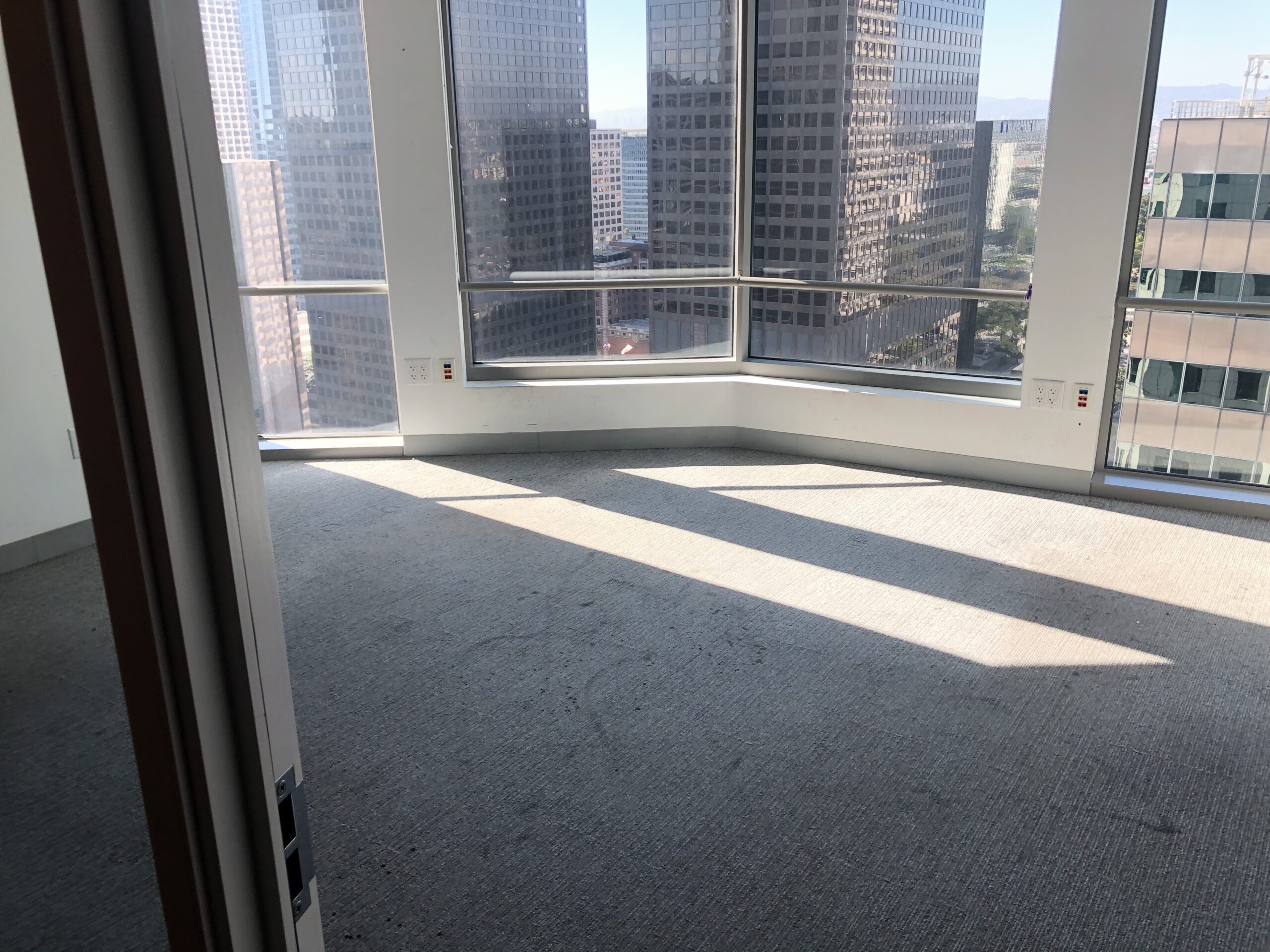
Los Angeles office clearance | In Progress
Read the full case study.
ASI coordinated selective Los Angeles origin work around the client's move and retention directions. Cleared office areas, retained workstations and emptied shelving show distinct conditions within that field sequence.
One accountable partner.
PLANNING A SELECTIVE WORKPLACE TRANSITION?
Client-directed removal and retention boundaries shaped the field sequence. ASI connected selective handling, cleanup and the affected wall/access requirements within the Los Angeles origin assignment.