
CASE STUDY | SELECTIVE OFFICE CLOSEOUT
REMOVE THE IDENTITY. REPAIR THE WALLS. RETAIN THE WORKPLACE.
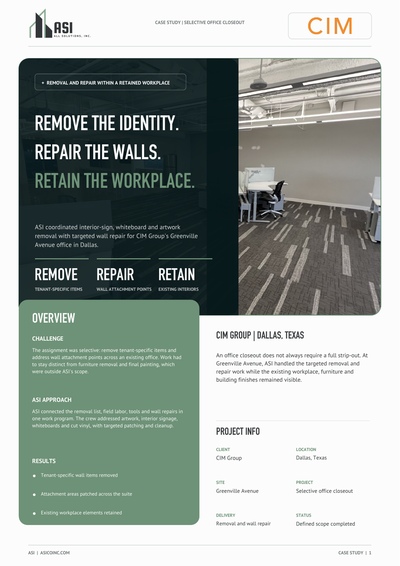
ASI coordinated interior-sign, whiteboard and artwork removal with targeted wall repair for CIM Group's Greenville Avenue office in Dallas.
Overview
An office closeout does not always require a full strip-out. At Greenville Avenue, ASI handled the targeted removal and repair work while the existing workplace, furniture and building finishes remained visible.
Challenge
The assignment was selective: remove tenant-specific items and address wall attachment points across an existing office. Work had to stay distinct from furniture removal and final painting, which were outside ASI's scope.
ASI approach
ASI connected the removal list, field labor, tools and wall repairs in one work program. The crew addressed artwork, interior signage, whiteboards and cut vinyl, with targeted patching and cleanup.
Results
- Tenant-specific wall items removed
- Attachment areas patched across the suite
- Existing workplace elements retained
Plans and project scale
ONE OFFICE SUITE. REMOVALS ACROSS THE WORKPLACE.
The suite layout connects open workstations, enclosed rooms and the reception area. It explains why a targeted removal program reaches multiple spaces while leaving the broader workplace in place.
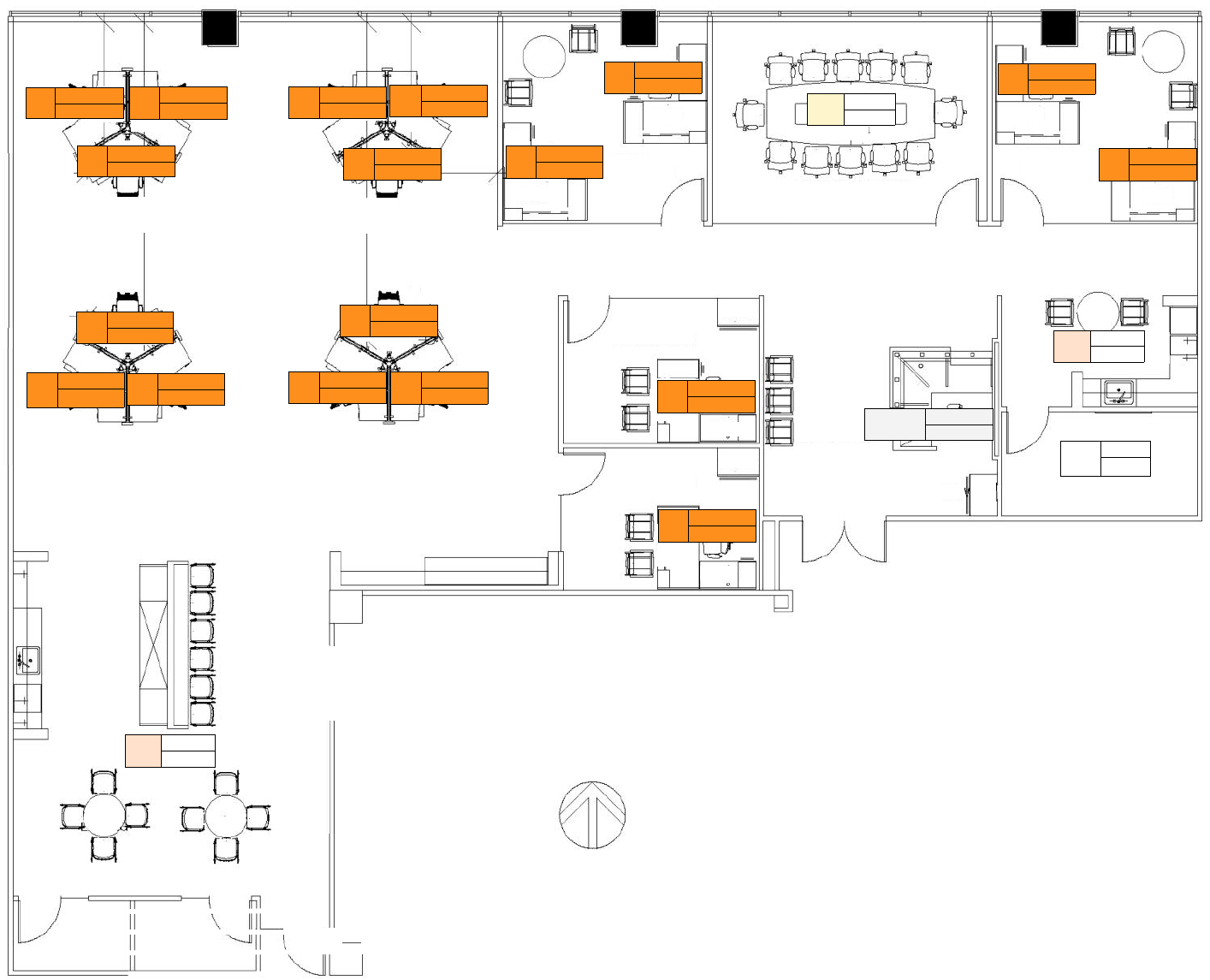
Office layout | Open and enclosed work areas
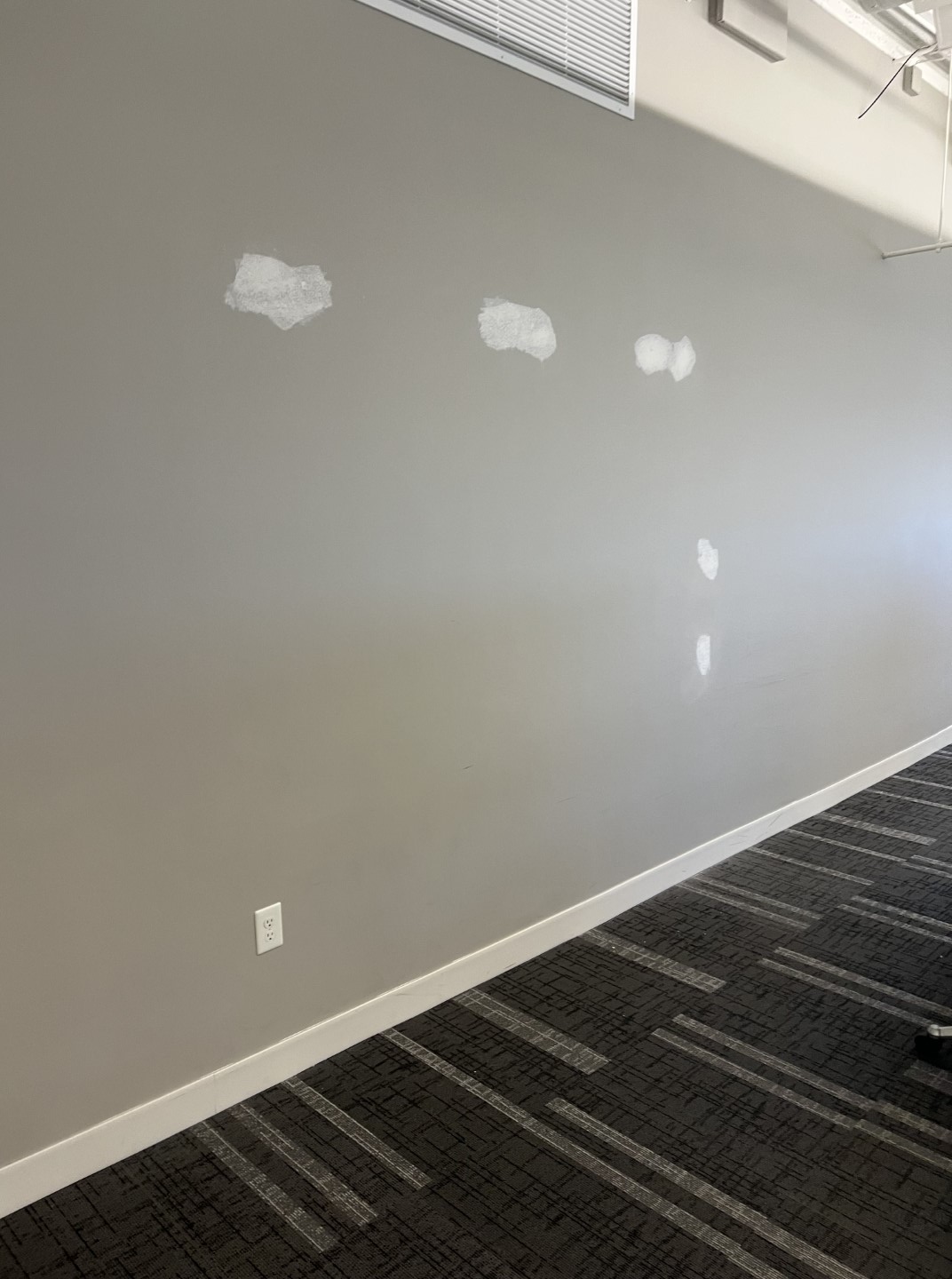
Open-office wall patching | Completed
The ASI delivery model
REMOVE WHAT MUST GO. ADDRESS WHAT IT LEAVES BEHIND.
ASI's assignment connected selective removals with their immediate repair needs. The work list was explicit about the items leaving and the work excluded from the closeout.
Set the removal scope
Identify artwork, interior signage, whiteboards and cut vinyl designated for removal across the Greenville Avenue suite.
Take down tenant-specific items
Coordinate the tools and field labor for wall-mounted items and tenant identity, while existing office elements remain in place.
Repair attachment areas
Address drywall and wall scars associated with the selective removals. Patching remains distinct from a full-suite repaint.
Collect removal debris
Include trash pickup and miscellaneous cleanup with the removal work, rather than leaving it as an unassigned closeout task.
Keep responsibilities clear
Complete the defined removal and repair assignment. Furniture removal and final painting remain outside ASI's contracted scope.
The outcome
TENANT ITEMS REMOVED. THE WORKPLACE RETAINED.
The completed-condition views show tenant identity and wall-mounted items removed, with localized repairs visible. Existing desks, seating, built-ins, flooring and building systems remain part of the space.
Reception identity
The reception wall no longer carries the tenant sign. The existing desk and surrounding finishes remain.
Distributed wall repairs
Patching addressed attachment points in the open office and enclosed areas, rather than treating removal as a standalone task.
Existing elements retained
The field record shows office furniture and building elements still in place. This was not a complete interior strip-out.
A clear next-trade boundary
Localized patching and final painting are different responsibilities. The completed ASI scope did not include a full-suite repaint.
Field execution
TENANT ITEMS REMOVED. EXISTING INTERIORS PRESERVED.
Reception, open-office and enclosed-area views show the selective closeout. Localized patches remain visible because final painting was outside ASI's scope.
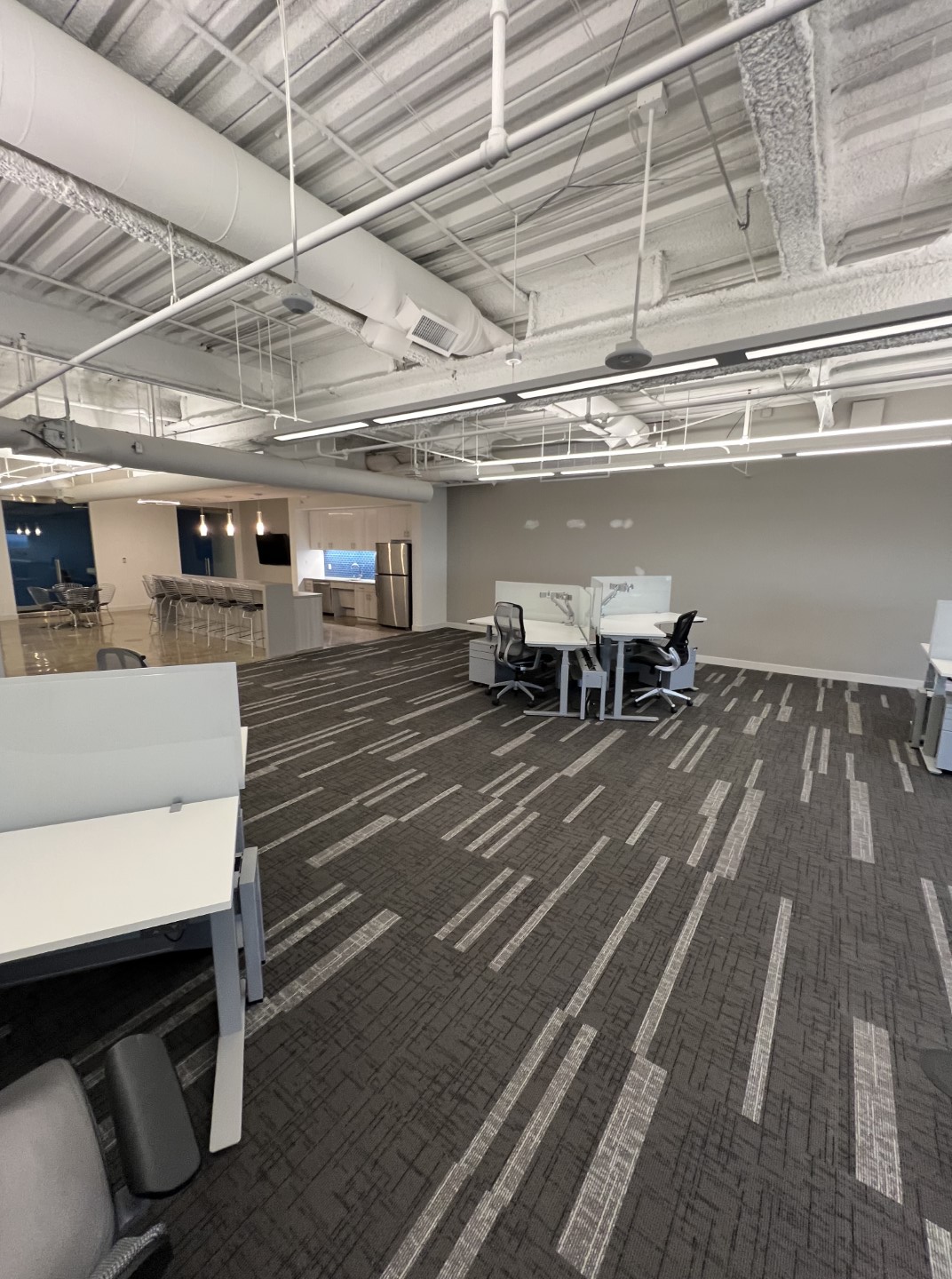
Open office | Completed
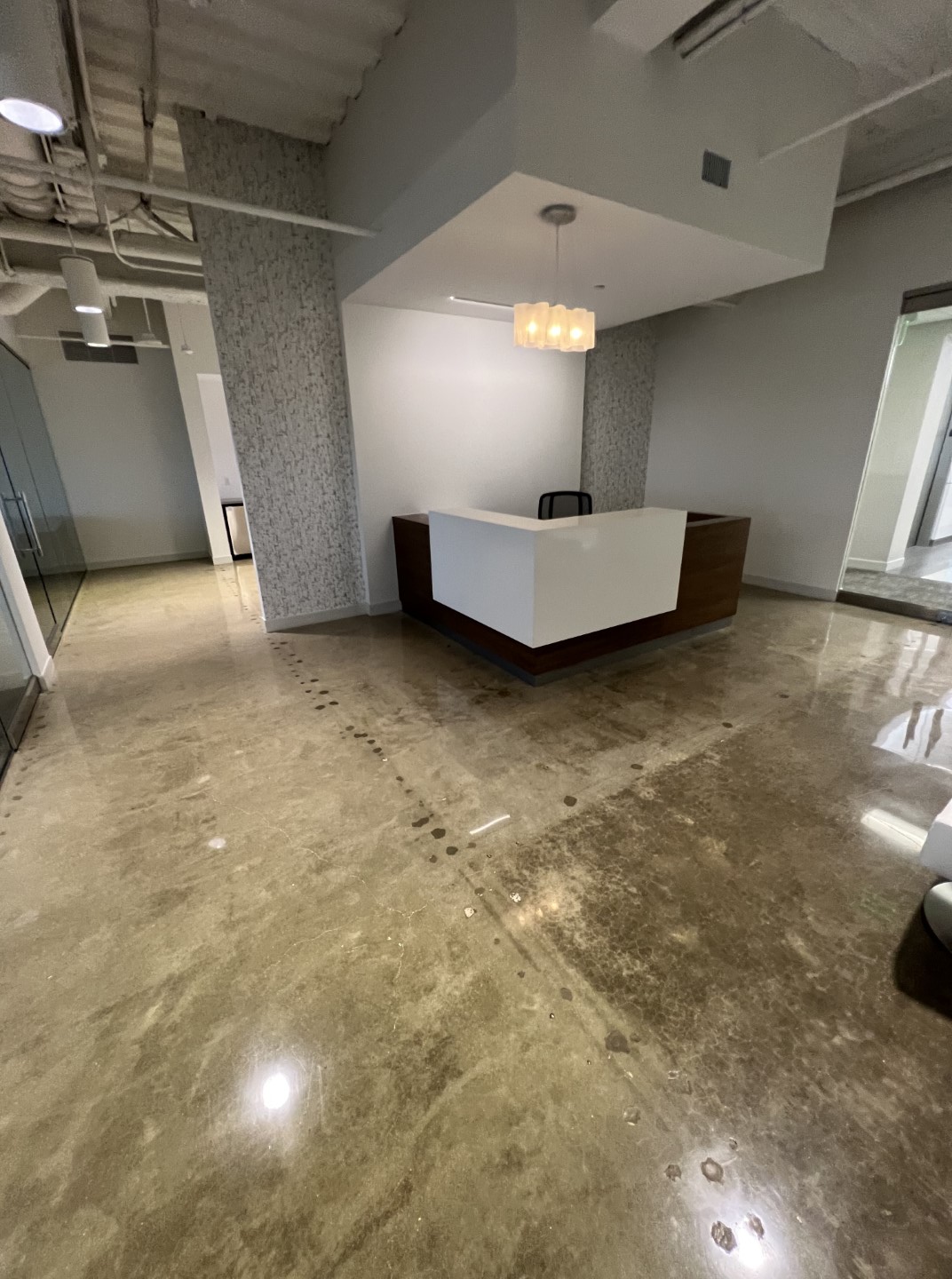
Reception-sign removal | Completed
Wall patching | Completed
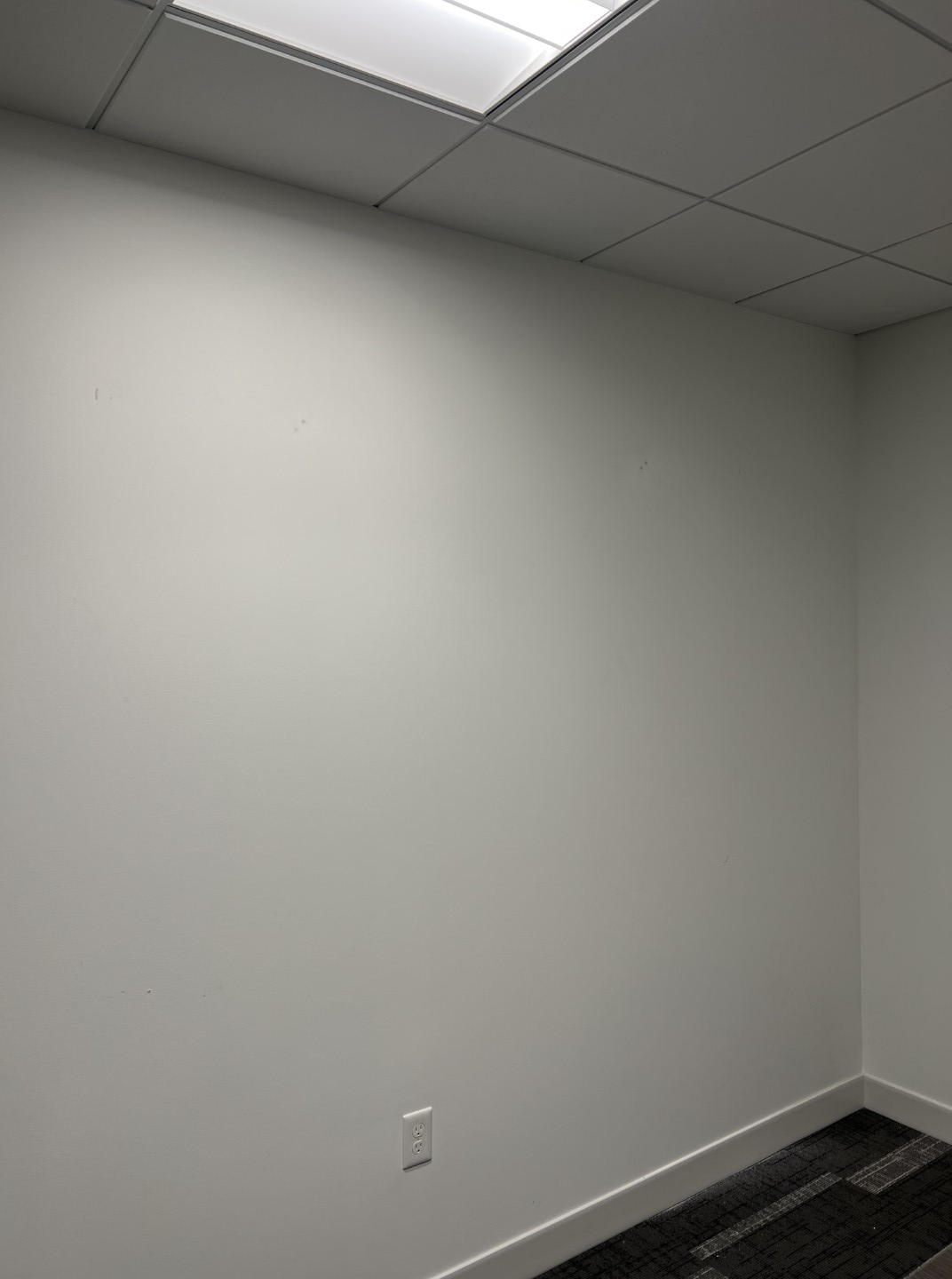
Enclosed area | Completed
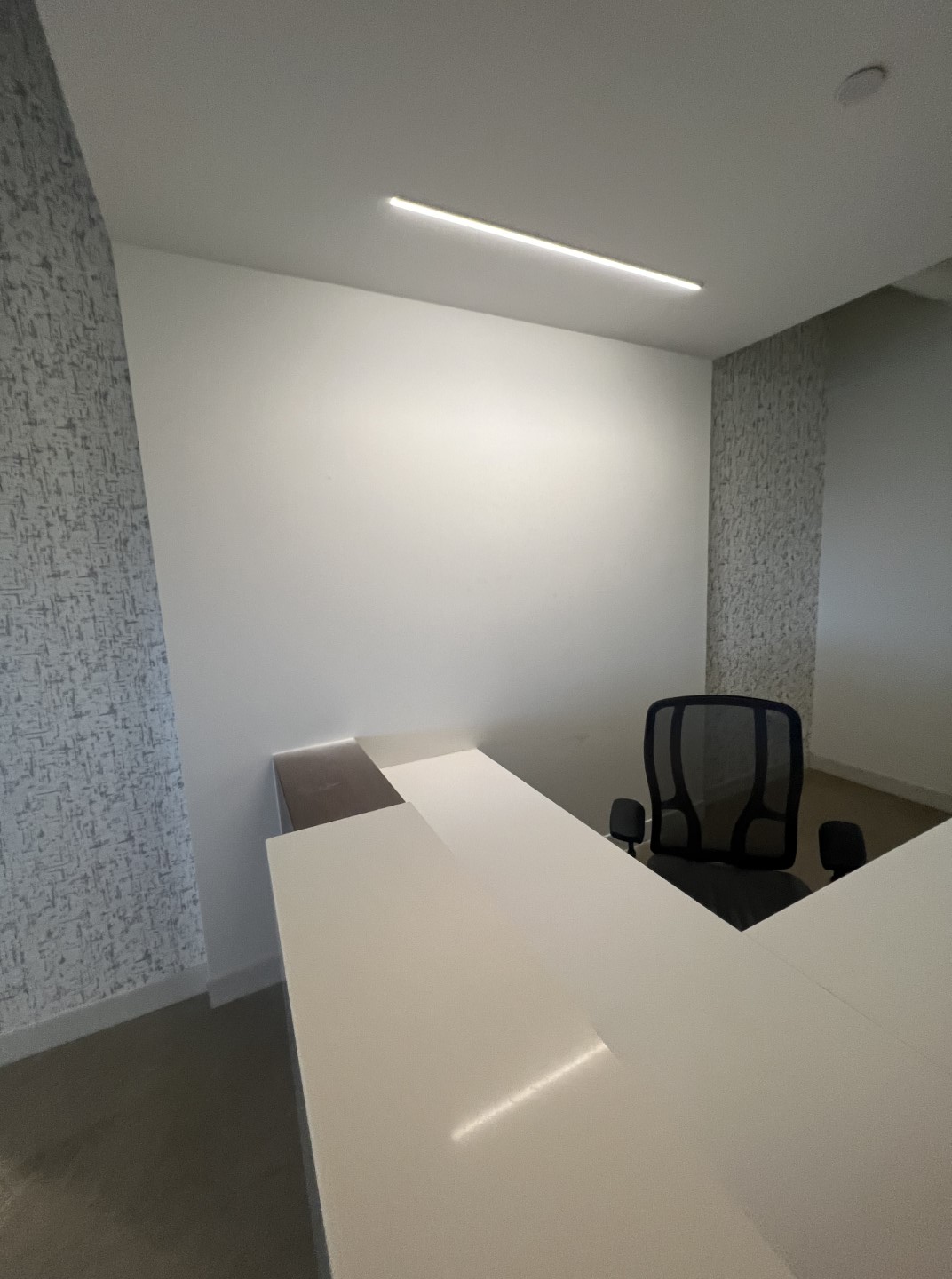
Retained reception | Completed
Read the full case study.
ASI provided a defined field response for the office closeout: remove the designated tenant-specific items, address the associated wall repairs and connect cleanup to the same assignment.

One accountable partner.
PLANNING A SELECTIVE OFFICE CLOSEOUT?
Linking each removed item to its wall-repair need kept the assignment specific. The closeout record separates ASI's removal and patching work from the furniture handling and final painting assigned outside that scope.