CASE STUDY | OFFICE DECOMMISSIONING
COORDINATE THE CREWS. CONTROL THE REMOVALS. ONE ACCOUNTABLE TEAM.
ASI coordinated multi-floor office decommissioning in Boston, connecting furniture dismantling, electrical interfaces and mounted removals with moving-company and union-crew coordination and restricted building access.
Overview
The Boston assignment connected multiple office-floor packages with moving-company and union-crew coordination, building access and electrical interfaces. Anchored at 30 Thomson Place, the project addressed furniture clearance within retained workplace conditions rather than stripping every permanent element from the office.
Challenge
Multiple office-floor packages, moving companies, union crews and building access made work sequencing a practical dependency. Furniture dismantling, electrical interfaces and loading had to stay connected within restricted elevator and removal windows.
ASI approach
ASI connected office-floor removal packages with electrical interfaces, mounted-item removals, targeted patching and loadout planning. Retained workplace elements and separately assigned client IT responsibilities defined the boundaries of the removal scope.
Results
- Broad furniture footprints cleared
- Moving-company and union-crew coordination
- Removal scopes and access connected
Project scale and field dependencies
MULTI-FLOOR DECOMMISSIONING. CONNECTED FIELD DEPENDENCIES.
Boston's multi-floor scope connected office dismantling, electrical interfaces and material handling. Moving companies, union crews and restricted loading access made coordination central to the assignment.
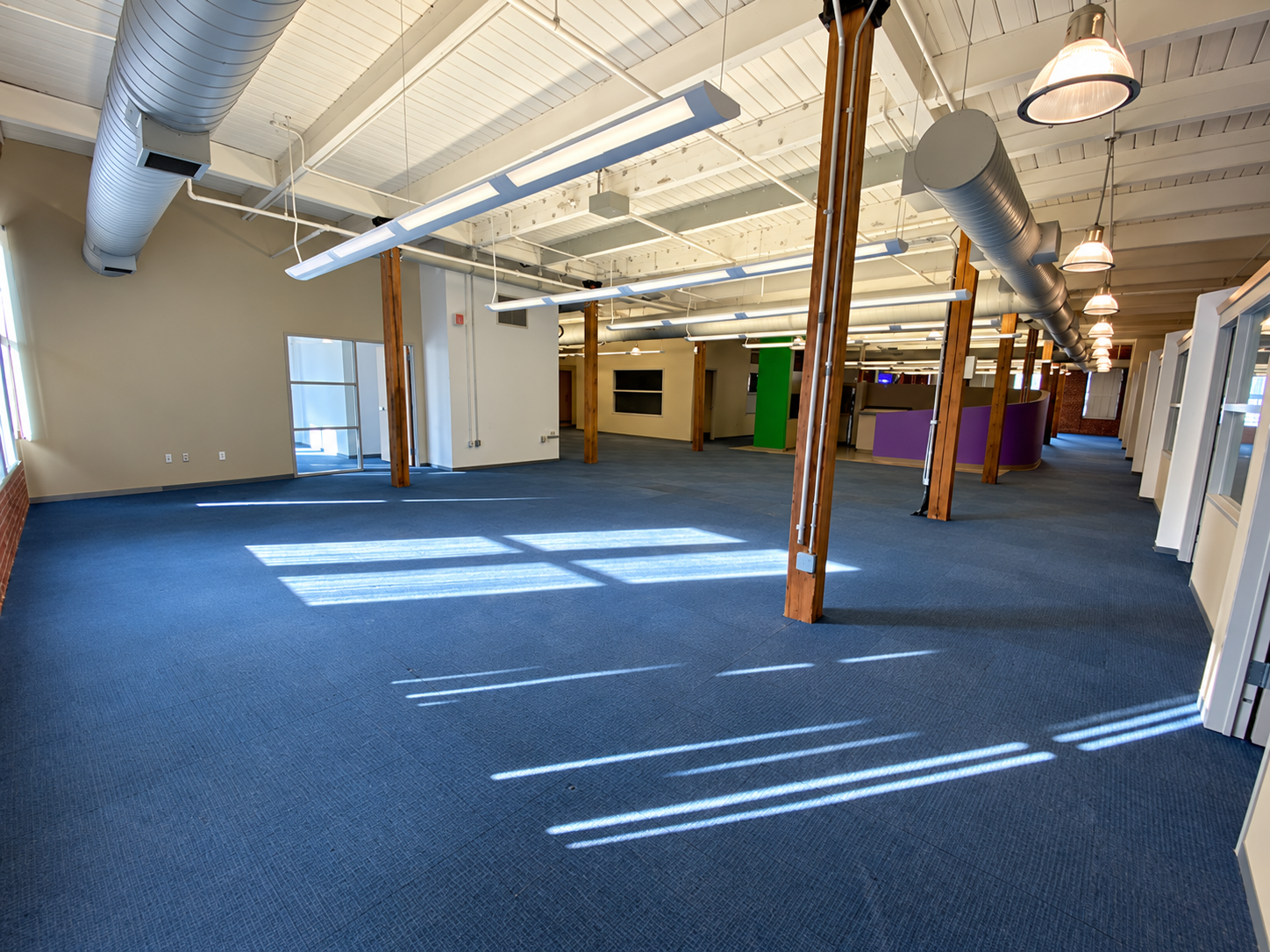
Retained workplace and cleared footprint
Floor packages and crew access
Multiple office-floor packages linked dismantling, handling and truck loading to restricted building access. Moving-company and union-crew coordination made the removal sequence part of the assignment. The access plan included protected loadout interfaces and a lobby-elevator route.
Defined retained conditions
Break rooms and office wall toppers were designated to remain, and client IT equipment removal had a separate owner. The clearance scope connected furniture removal, electrical interfaces and targeted wall work within those boundaries.
The ASI delivery model
ALIGN THE CREWS AND ACCESS. CONNECT THE REMOVAL SCOPES.
Multiple office-floor packages, crews, loading restrictions and connected furniture and electrical work affected the same assignment. ASI coordinated these field responsibilities within a defined decommissioning scope.
Coordinate crews and access
Bring moving-company and union-crew requirements together with the planned elevator and loading windows. Connect removal packages across the office floors.
Connect electrical interfaces
Align the documented electrician disconnection scope with cubicle and furniture dismantling. Client IT equipment removal remained a separately assigned responsibility.
Dismantle and handle components
Dismantle office furniture, cubicles and shelving, then stage components for handling and truck loading. Cable bundles and handling equipment connect the field responsibilities.
Link removals and targeted patching
Coordinate the documented artwork, signage and mounted-item removal scope with targeted wall patching. Keep retained office elements outside the clearance claim.
Plan the protected loadout route
Link carts, truck loading and building access. The access plan incorporated curb, doorway and lobby protection and a lobby-elevator route to avoid stair carry.
The outcome
CLEARED WORKPLACE FOOTPRINTS. CONNECTED RESPONSIBILITIES.
Broad furniture footprints are clear within the retained Boston workplace. The multi-floor assignment connected dismantling and handling with electrical interfaces, moving companies, union crews and restricted building access.
Physical workplace clearing
Furniture footprints are open within the retained office, with permanent ceiling systems and partitions still visible.
Multiple crews, one sequence
Moving-company and union-crew coordination sat alongside the building's loading and elevator restrictions.
Technical scope boundaries
Electrical interfaces were connected to furniture dismantling, while client IT equipment removal remained separately assigned.
Retained workplace elements
Break rooms and office wall toppers were designated to remain. Clearance did not mean stripping every permanent element from the office.
Field execution
COORDINATED FIELD WORK. CLEARED FURNITURE FOOTPRINTS.
Furniture dismantling, cable bundles and handling equipment appear alongside broad cleared-office views. Retained partitions, ceiling services and other workplace elements define the limits of the removal scope.
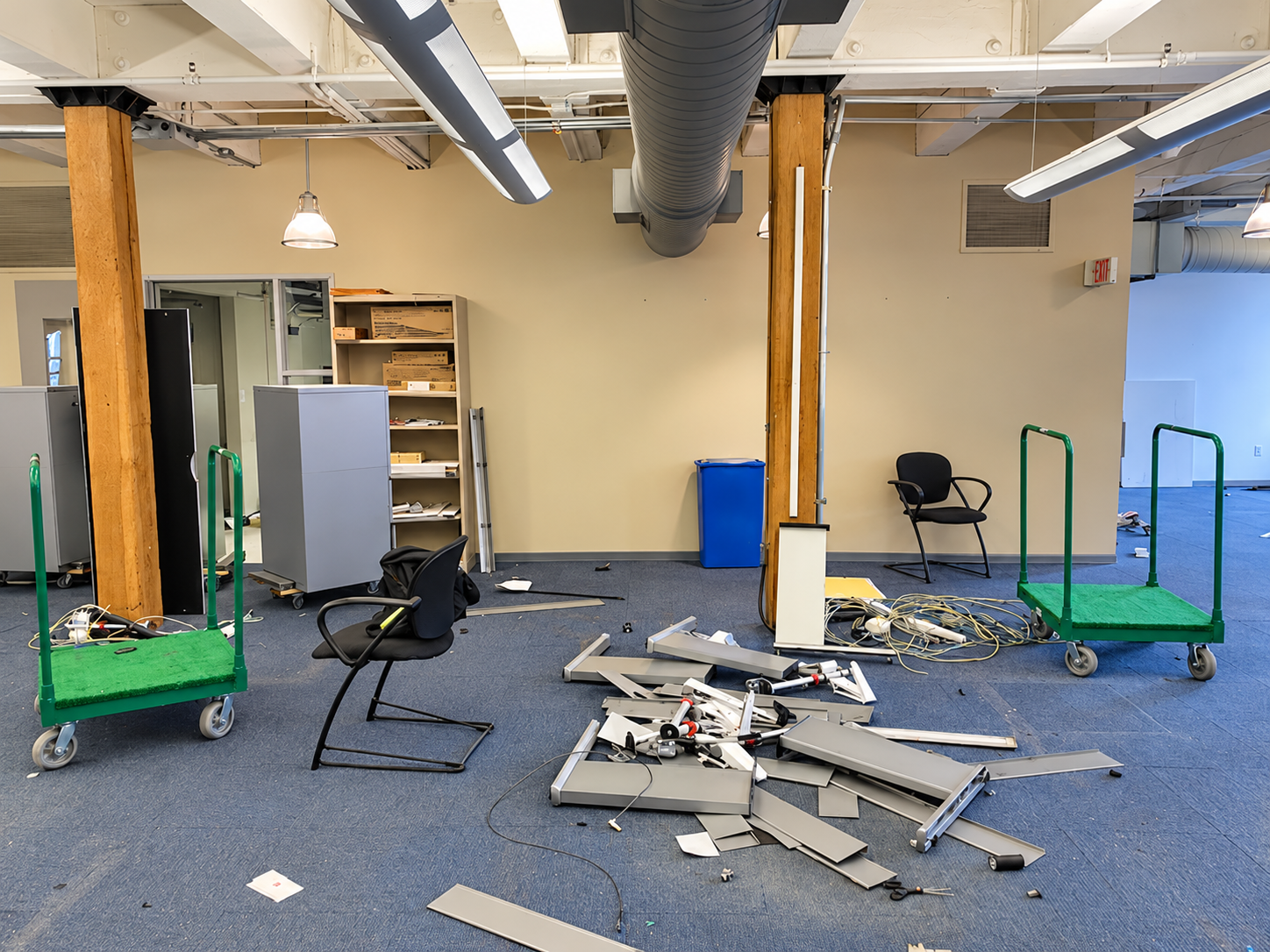
Furniture and electrical interfaces | In Progress
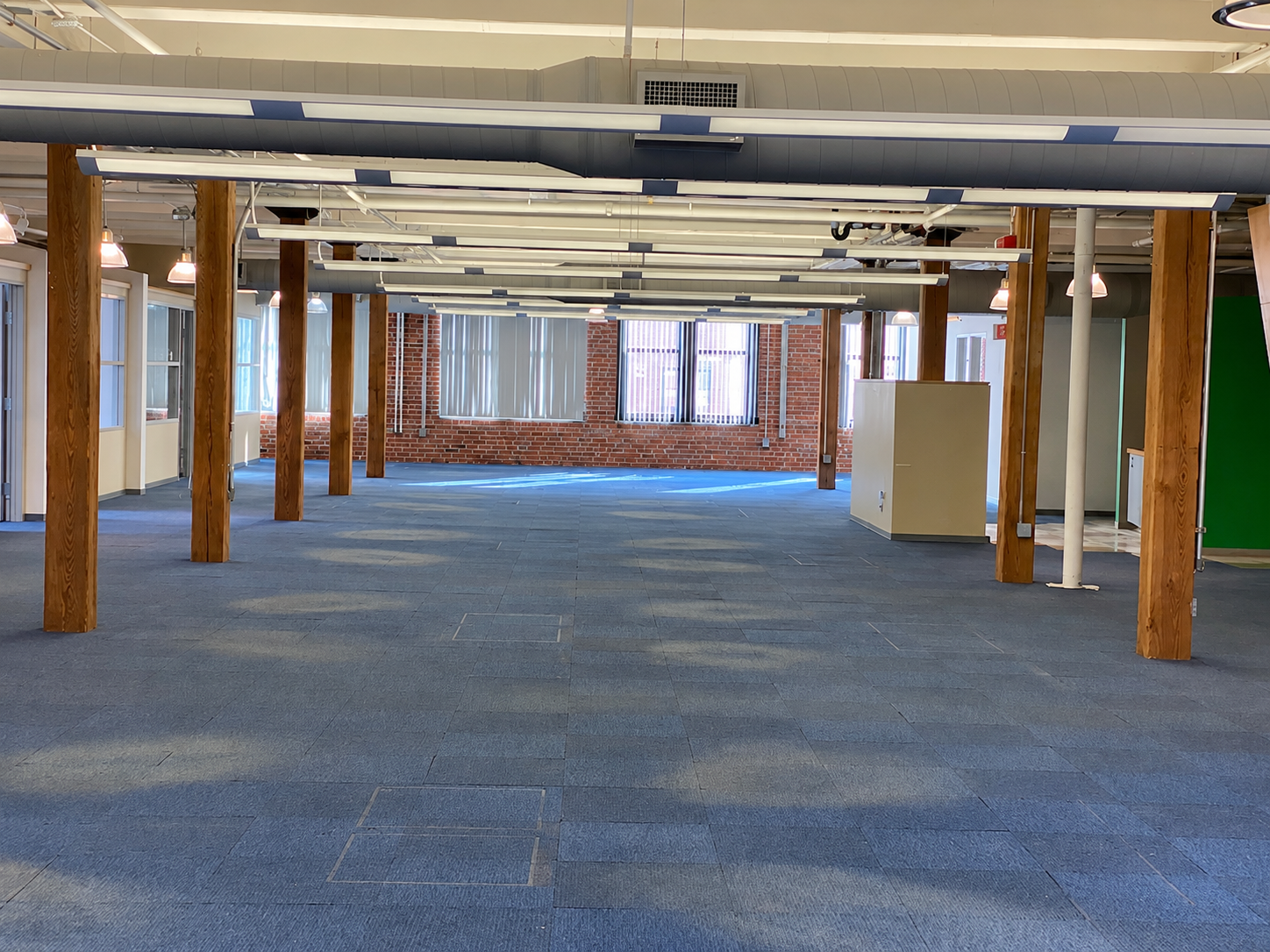
Open-office furniture clearance
Retained workplace and cleared footprint
Read the full case study.
ASI connected multi-floor office decommissioning with moving-company and union-crew coordination, electrical interfaces and restricted building access. Broad cleared furniture footprints remain within the existing workplace and its defined retained conditions.

One accountable partner.
PLANNING AN OFFICE DECOMMISSION?
Office-floor packages, moving companies, union crews and restricted building access created linked field responsibilities. ASI connected the documented electrical and mounted-removal scope with dismantling, handling, loadout planning and workplace clearance.