Case study | SELECTIVE OFFICE TRANSITION
CLEAR THE CONTENTS. KEEP WHAT STAYS. CONNECT THE MOVE.
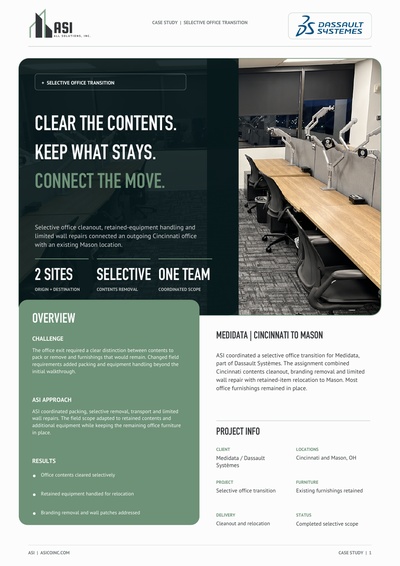
Selective office cleanout, retained-equipment handling and limited wall repairs connected an outgoing Cincinnati office with an existing Mason location.
Overview
ASI coordinated a selective office transition for Medidata, part of Dassault Systèmes. The assignment combined Cincinnati contents cleanout, branding removal and limited wall repair with retained-item relocation to Mason. Most office furnishings remained in place.
Challenge
The office exit required a clear distinction between contents to pack or remove and furnishings that would remain. Changed field requirements added packing and equipment handling beyond the initial walkthrough.
ASI approach
ASI coordinated packing, selective removal, transport and limited wall repairs. The field scope adapted to retained contents and additional equipment while keeping the remaining office furniture in place.
Plans and project scale
TWO LOCATIONS. ONE SELECTIVE MOVE. SEPARATE WHAT STAYS FROM WHAT GOES.
Source plans show the outgoing Cincinnati workplace and the existing Mason destination. The assignment concerned contents and selected equipment, not a full furniture replacement or a new workplace fit-out.
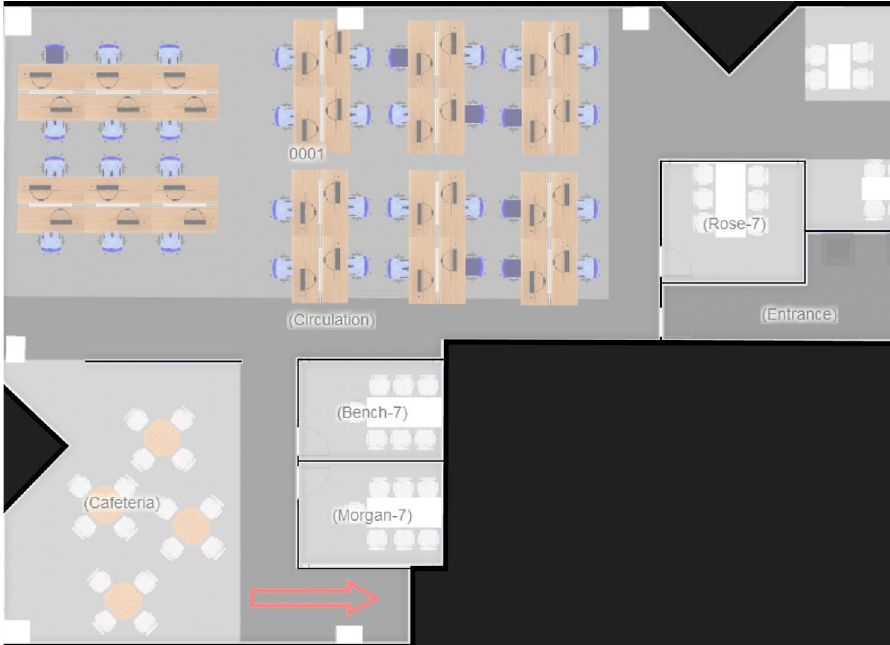
Cincinnati | Outgoing workplace excerpt
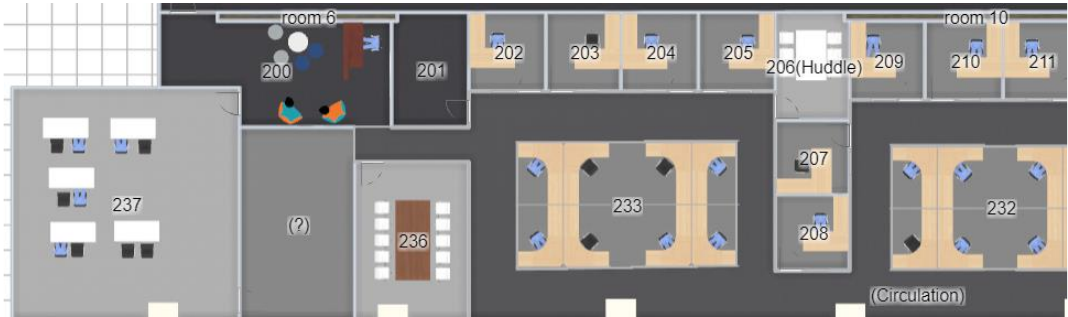
Mason | Existing destination workplace
The ASI delivery model
KNOW WHAT LEAVES. PROTECT WHAT REMAINS.
A selective transition needs more than a removal crew. ASI connected packing decisions, equipment handling, disposal and limited finish repairs within the actual project boundaries.
Define the selective scope
Distinguish removable contents and retained equipment from desks, conference furniture and other furnishings remaining at the Cincinnati office.
Adapt to changed contents
Incorporate packing of cabinet and kitchen contents that were initially expected to be discarded, along with additional equipment handling.
Connect the two locations
Coordinate retained-item transport between Cincinnati and the existing Mason workplace, accommodating the changed delivery sequence.
Remove contents and branding
Manage selected contents removal, debris disposal and branding removal without representing the work as complete furniture liquidation.
Address limited surface work
Include wall patching and localized repairs within the cleanout scope. Painting and comprehensive construction restoration were not part of this assignment.
The outcome
THE CONTENTS WERE ADDRESSED. THE RETAINED SPACE WAS RESPECTED.
The executed selective scope connected cleanout, packing, removal, transport and limited wall repairs. The completed-area photographs show retained furnishings and cleared work surfaces, not a new furniture installation or a fully emptied suite.
Contents and furniture distinguished
Existing workstations and conference furnishings remained while selected contents and equipment were handled.
Changed field requirements incorporated
Additional packing and equipment handling were coordinated as the onsite requirements changed.
Limited surface work included
Branding removal, wall patching and cleanup remained within the bounded assignment.
The scope stayed selective
Most furniture remained; this project did not require a full furniture removal or repaint.
Field execution
CLEARED SURFACES. RETAINED FURNITURE. A SELECTIVE OFFICE TRANSITION.
Completed-area views show the actual selective scope: cleared work surfaces, retained furniture, removed branding and cleared storage. Wall patching is not presented as new painting.
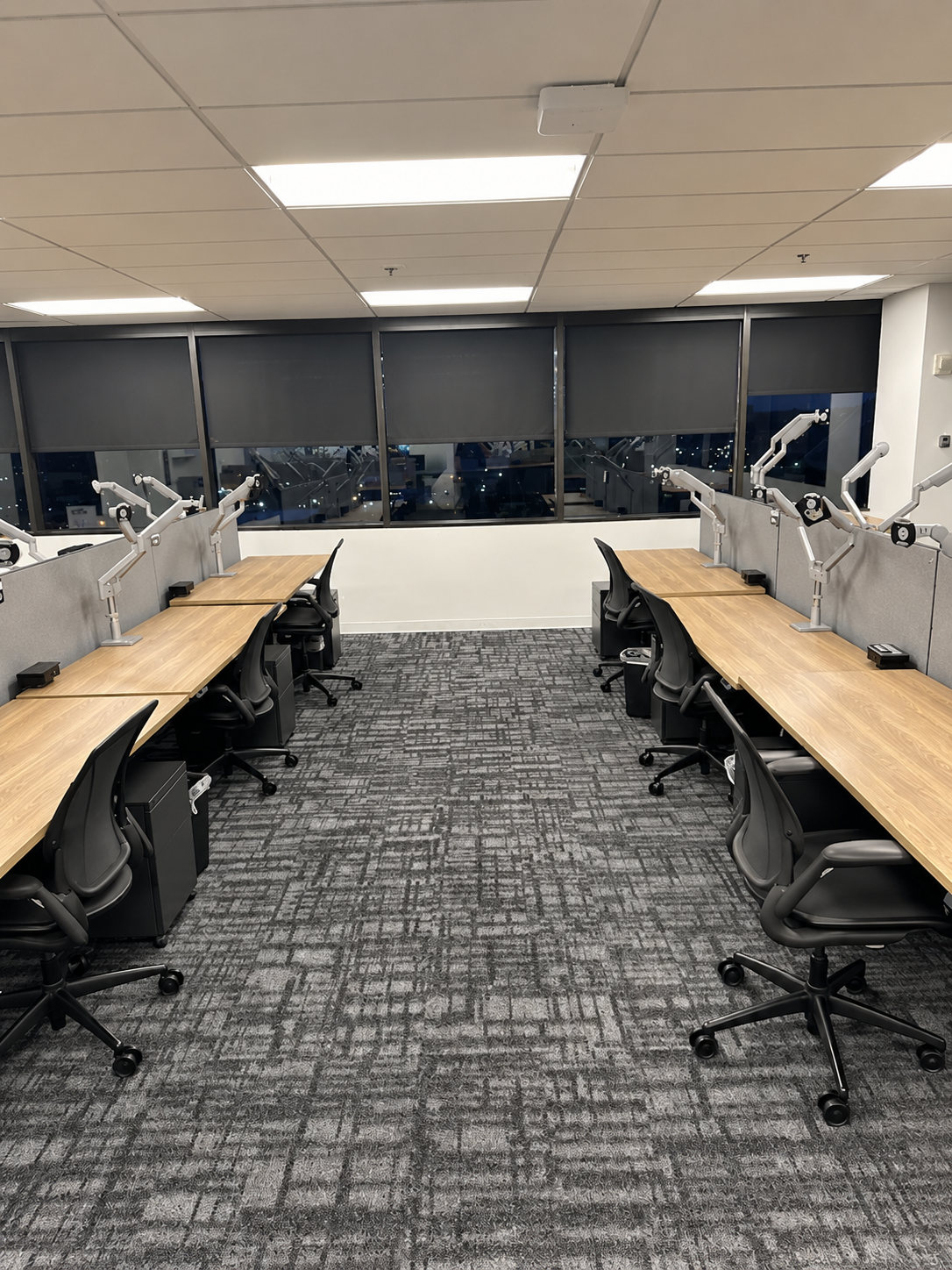
Retained workplace and cleared surfaces | Completed
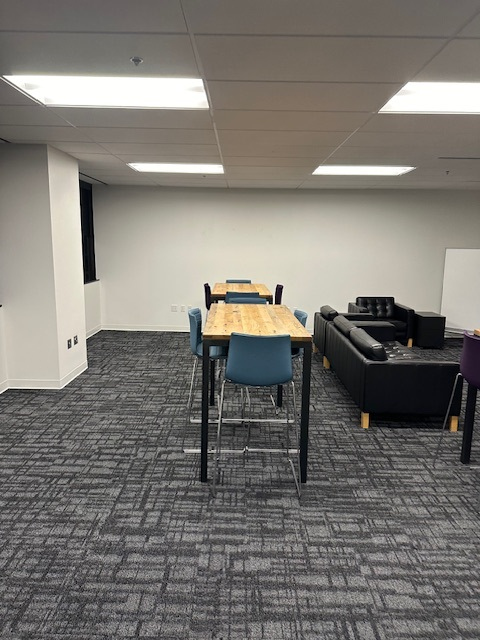
Retained lounge furnishings | Completed
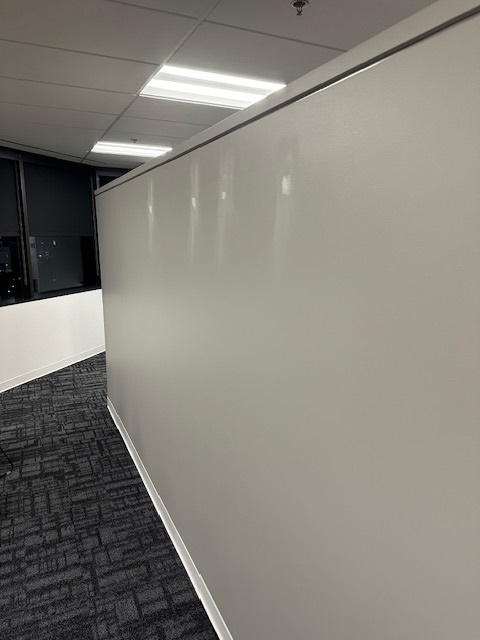
Branding removal and wall patching | Completed
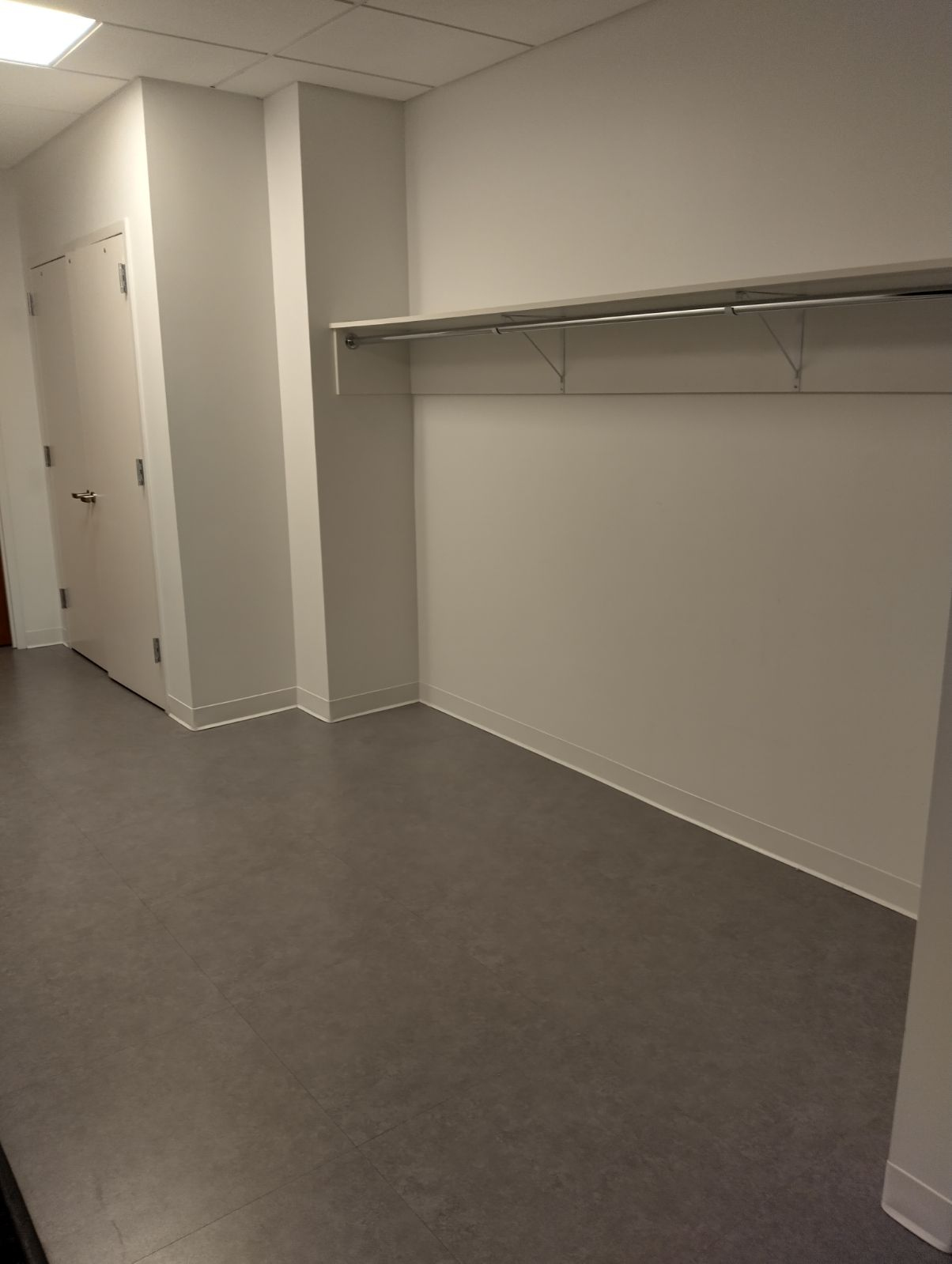
Cleared storage area | Completed
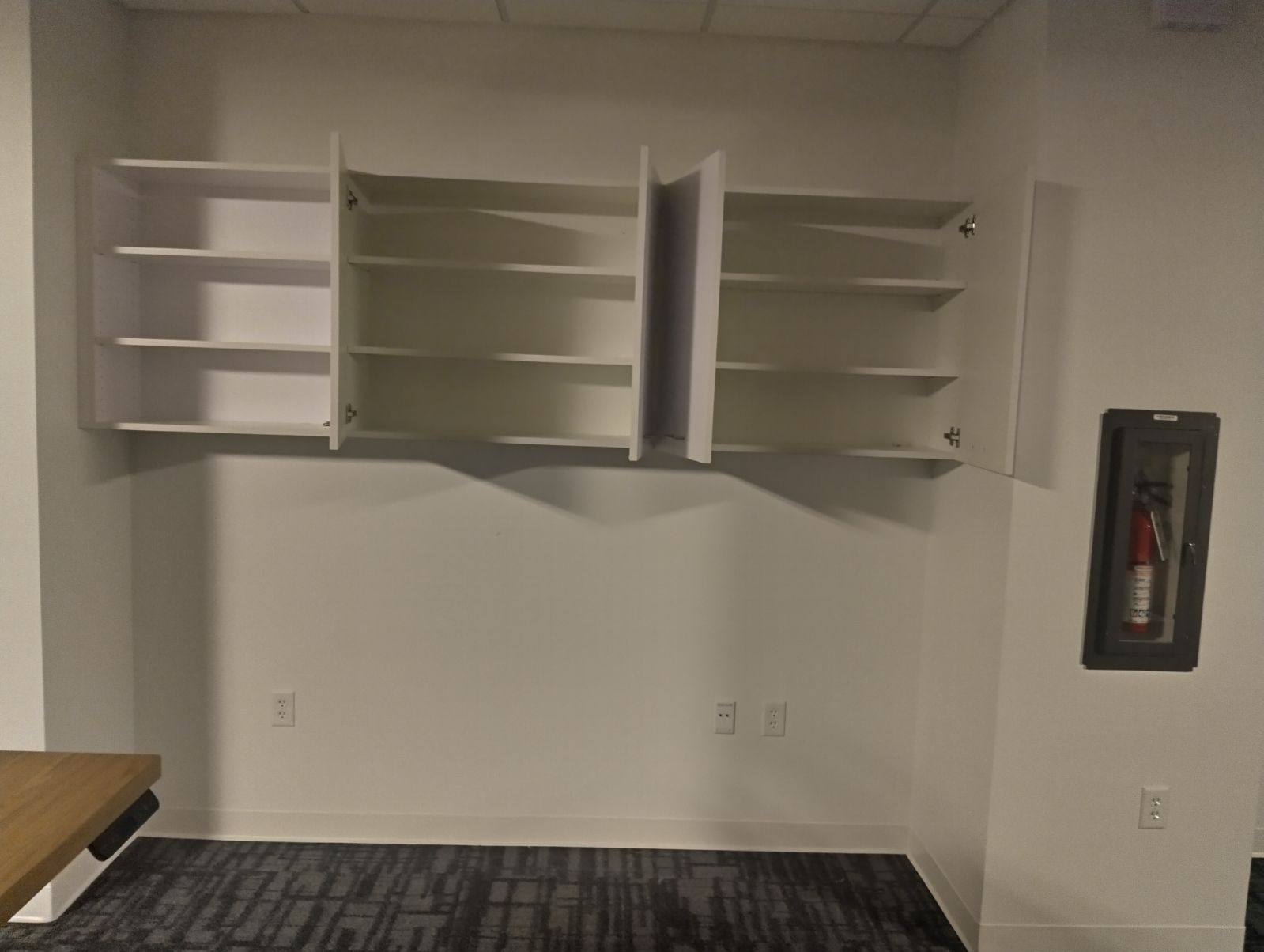
Cleared cabinet shelving | Completed
Read the full case study.
ASI brought selective cleanout, retained-item handling and limited surface repairs into one coordinated assignment. The retained furnishings stayed in place while the team addressed the contents and changed field requirements.
One accountable partner.
PLANNING A WORKPLACE TRANSITION?
The field team encountered contents and equipment that needed different handling from the initial walkthrough. ASI coordinated those changes while maintaining a clear distinction between removal, relocation and retained furnishings.