
CASE STUDY | OFFICE DECOMMISSIONING
CLEAR THE WORKPLACE. CONNECT THE TRADES. CONTROL THE TRANSITION.
ASI connected office contents removal with electrical, cabling and wall-preparation scopes for Stantec's Los Robles workplace in Pasadena.
Overview
The Los Robles assignment joined workplace clearance and building-service interfaces within the same suite. Furniture staging, cleared areas and wall preparation show distinct parts of the field sequence.
Challenge
Office decommissioning reaches beyond furniture. Contents removal intersects with cubicle power, network cabling, wall mounting points and cleaning, making the boundaries between trades important.
ASI approach
ASI brought these requirements into one decommissioning package, connecting removal work with technical disconnections and targeted surface preparation.
Results
- Furniture staged for removal
- Broad workplace areas cleared
- Wall patching and preparation visible
Project scale and field dependencies
MORE THAN CONTENTS REMOVAL. A CONNECTED FIELD PACKAGE.
Disassembled furniture and cleared areas establish the workplace scale. Service-removal interfaces and visible wall preparation connect the contents work to the surrounding office environment.
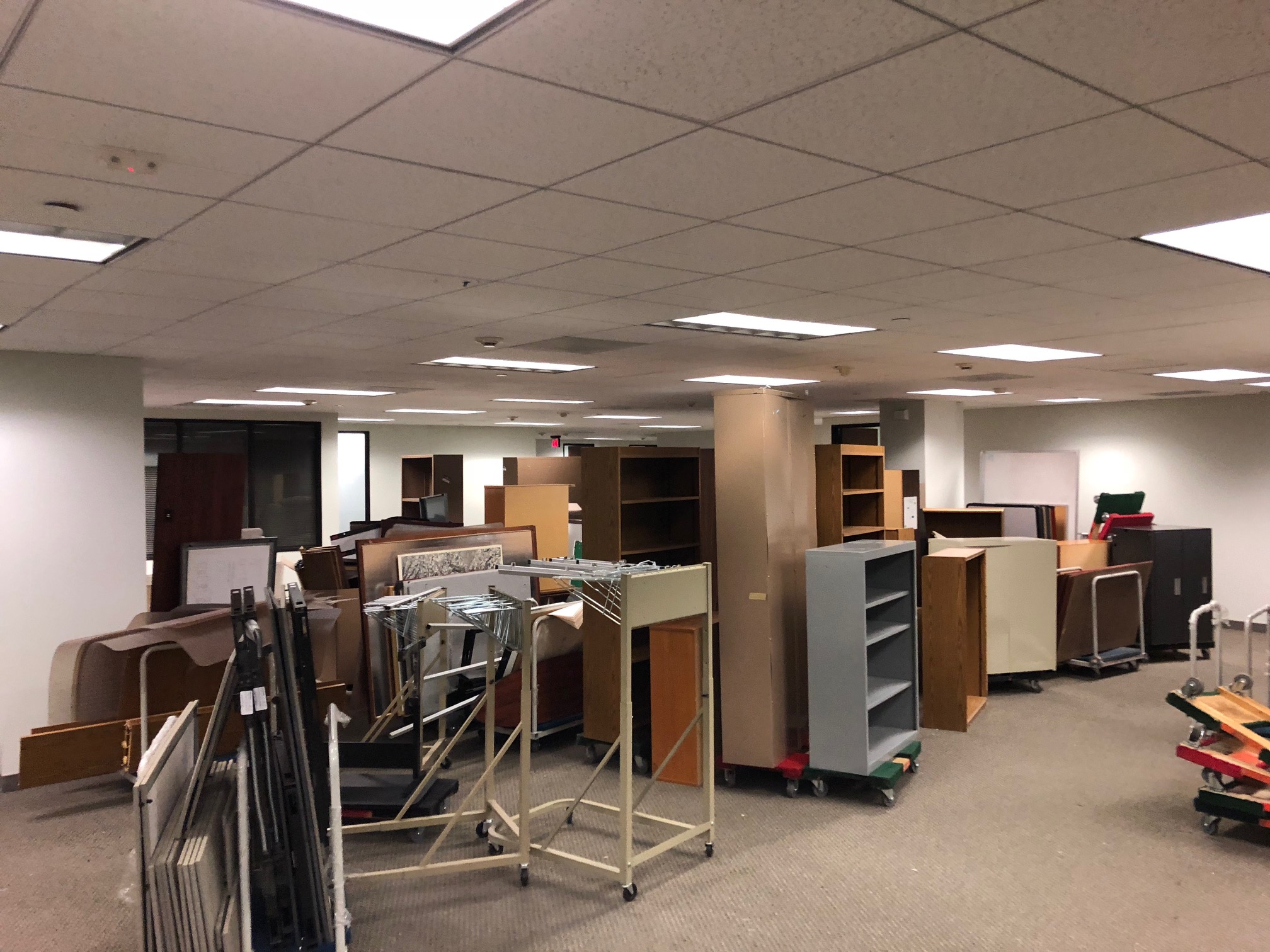
Furniture removal staging | In Progress
CONNECTED REMOVAL SCOPE
The assignment covered cubicles, furniture, equipment and remaining suite contents. Cubicle electrical disconnections and network-cable removal linked the contents work to the office's service interfaces.
TARGETED SURFACE PREPARATION
Mounting-point repair was a separate part of the package. Patching, preparation and priming connected removed items to the affected walls, alongside the specified cleaning work.
The ASI delivery model
DEFINE THE WORKSTREAMS. CONNECT THE TRADE INTERFACES.
ASI's decommissioning package linked contents, cubicle power, network cabling, mounting-point repair and cleaning. Keeping those scopes connected helped define what each removal affected.
Clear and stage the workplace
Bring cubicles, furniture, equipment and remaining suite contents into the removal package.
Address cubicle connections
Connect furniture dismantling with the assigned electrical-disconnection and power-whip safe-off scope.
Define cable-removal limits
Include network cabling through ceilings, cubicles and walls, back to the server room, in the decommissioning requirements.
Prepare affected wall points
Link removed mounting locations with targeted patching, preparation and priming.
Include the turnover requirements
Keep broom sweeping, specified deep cleaning and IT-asset disposal requirements within the same assignment.
The outcome
WORKPLACE CLEARANCE VISIBLE. SURFACE PREPARATION CONNECTED.
Furniture staging and cleared work areas show the removal phase. Visible wall patching connects that clearance to surface preparation, with electrical and cable-removal requirements carried in the same assignment.
Furniture removal
Disassembled furniture, panels and cabinets were staged within the workplace removal phase.
Technical dependencies
The package connected contents removal with cubicle electrical and low-voltage cabling requirements.
Targeted wall work
Mounting-point patching and preparation are visible in distinct areas of the suite.
Defined turnover scope
Specified cleaning and IT-asset disposal requirements remained part of the same assignment.
Field execution
CLEARANCE AND STAGING. DISTINCT WORK INTERFACES.
The views show a cleared workplace corridor, disassembled furniture staged for removal, exposed service interfaces and targeted wall preparation within the same Los Robles suite.
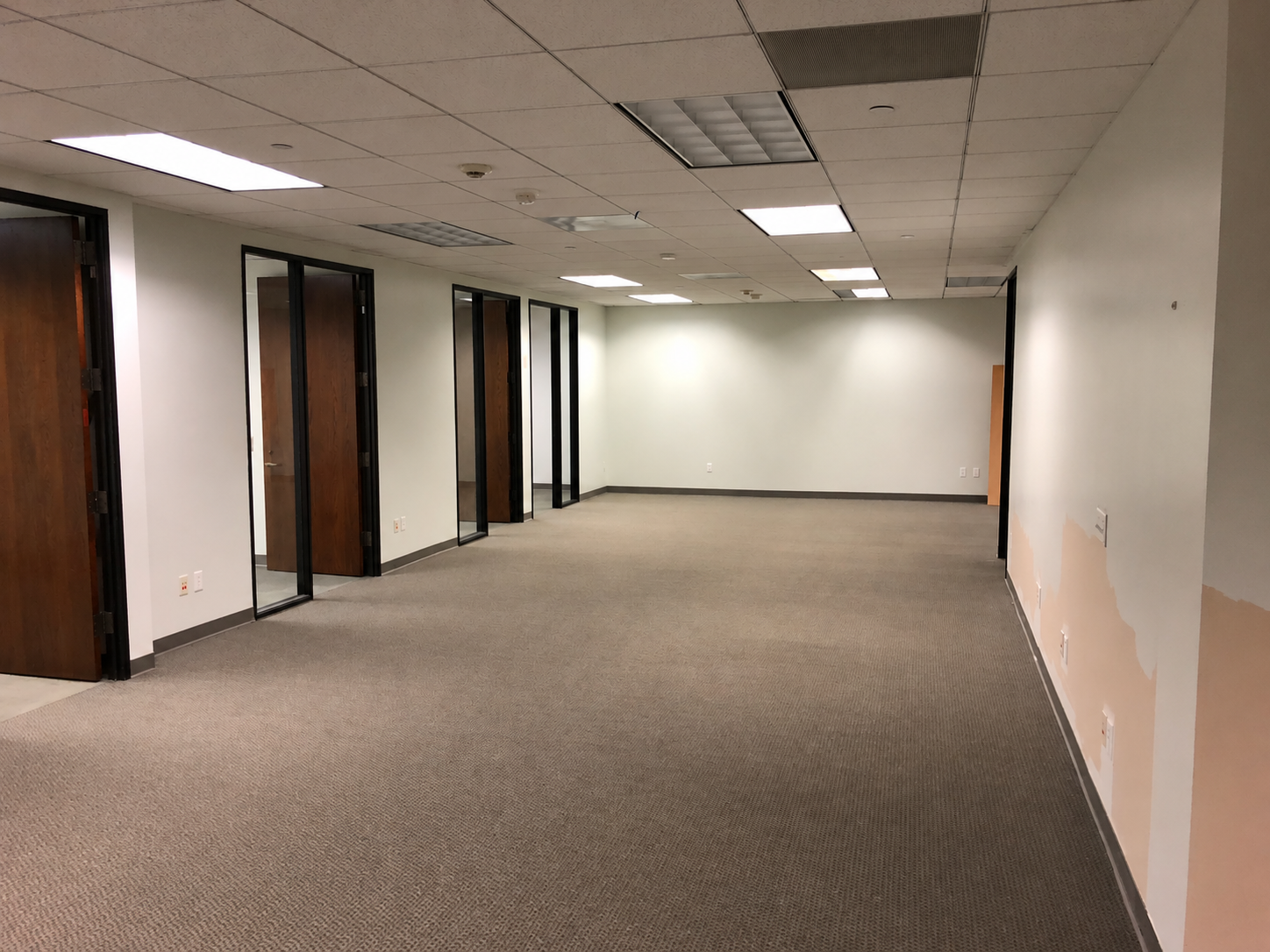
Workplace clearance | In Progress
Furniture removal staging | In Progress
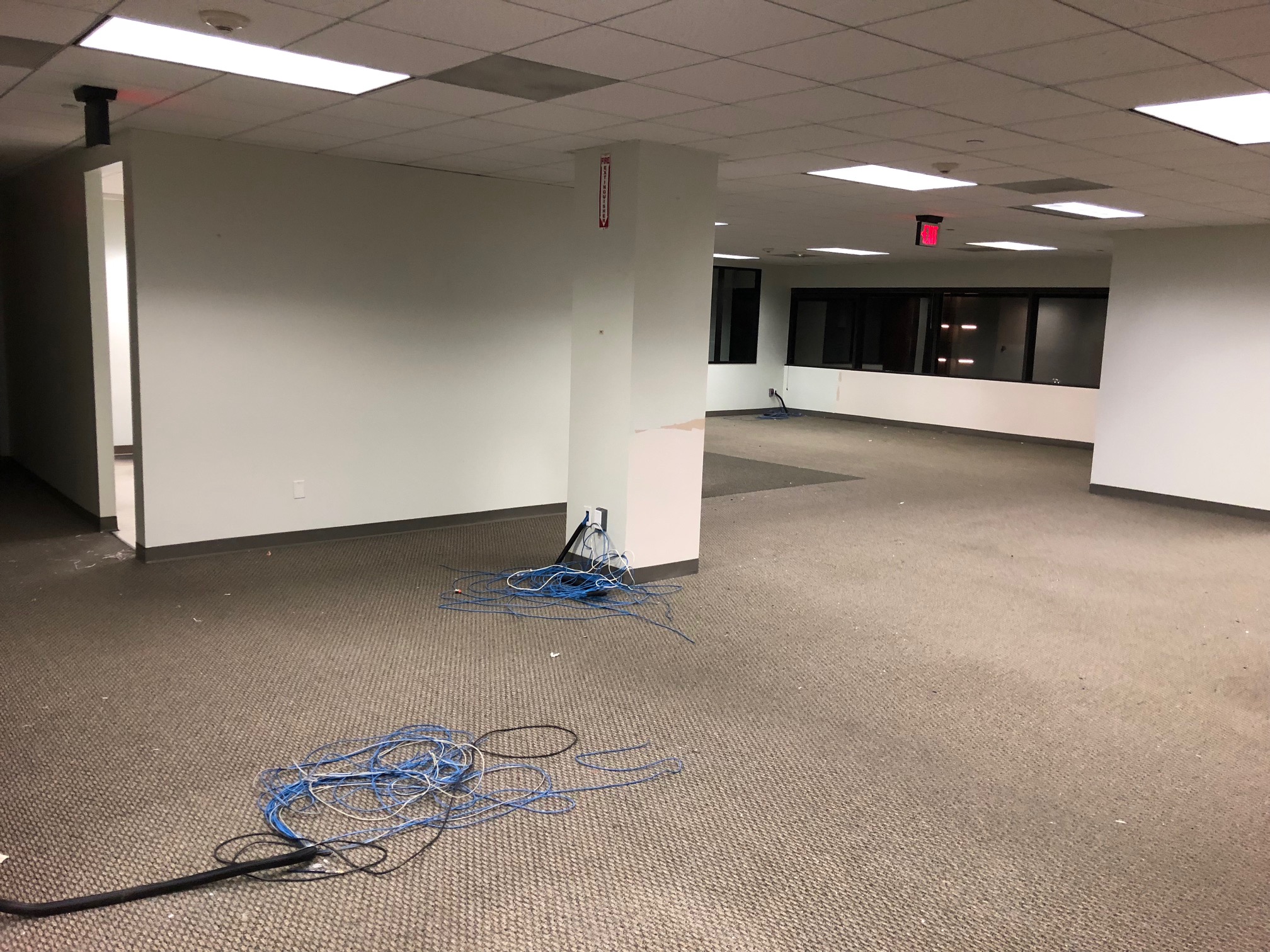
Service-removal interfaces | In Progress
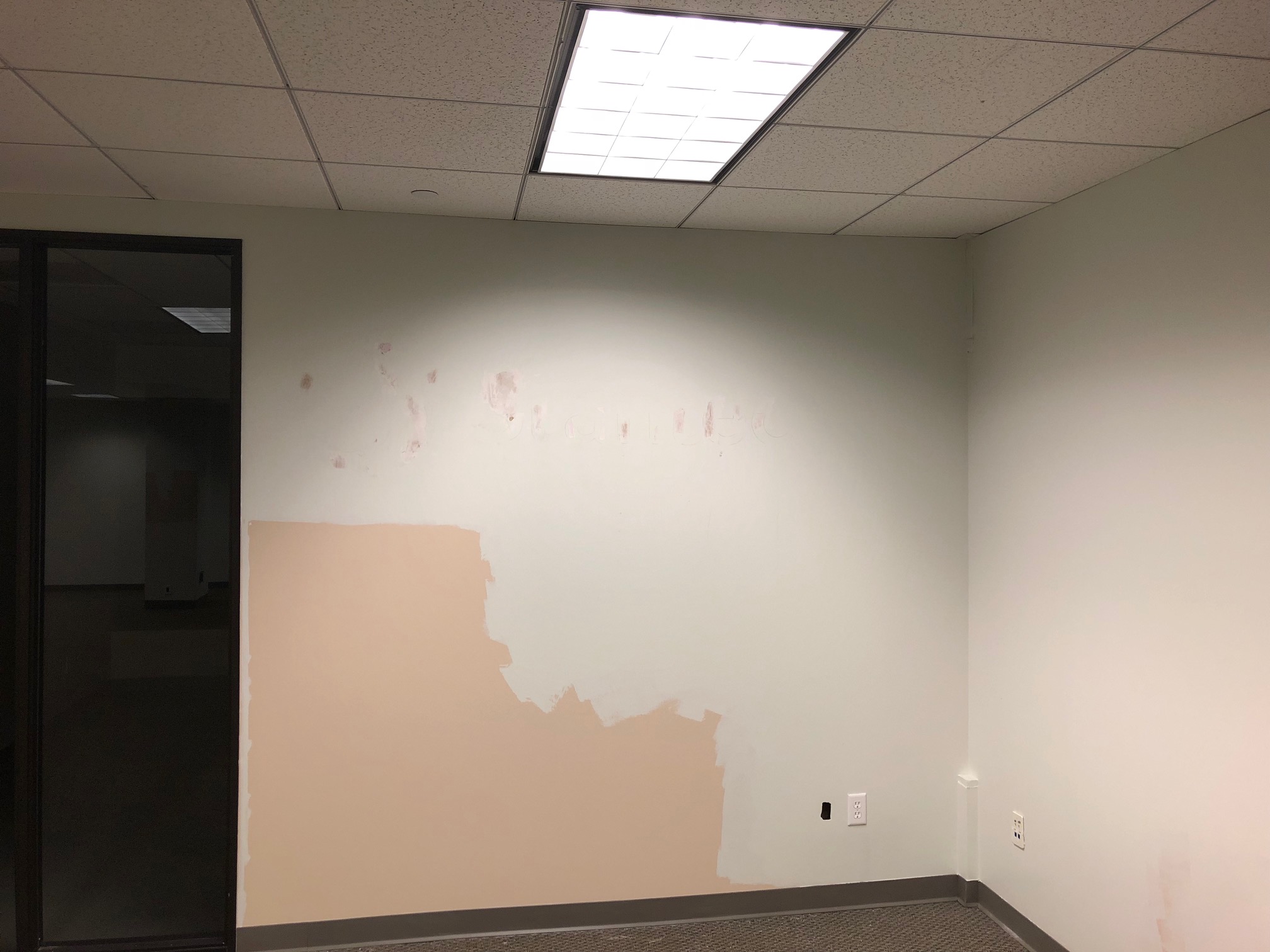
Wall preparation | In Progress
Read the full case study.
ASI brought workplace contents removal and the affected technical and surface interfaces into one Los Robles decommissioning package. Furniture clearance, service-removal requirements and targeted wall preparation formed connected parts of the assignment.

One accountable partner.
PLANNING AN OFFICE DECOMMISSIONING?
The scope connected workplace contents with the electrical, cabling and surface conditions affected by their removal. Furniture staging and cleared areas show the field work, while visible patches preserve the distinction between preparation and finished surfaces.