
CASE STUDY | MULTI-SITE CONSOLIDATION
CONNECT THE ORIGINS. ALIGN THE DESTINATION. ONE ACCOUNTABLE TEAM.
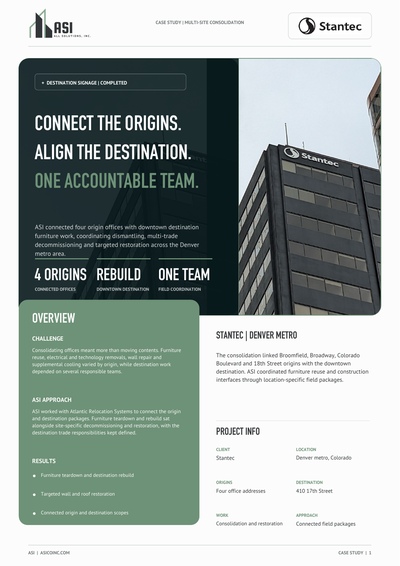
ASI connected four origin offices with downtown destination furniture work, coordinating dismantling, multi-trade decommissioning and targeted restoration across the Denver metro area.
Overview
The consolidation linked Broomfield, Broadway, Colorado Boulevard and 18th Street origins with the downtown destination. ASI coordinated furniture reuse and construction interfaces through location-specific field packages.
Challenge
Consolidating offices meant more than moving contents. Furniture reuse, electrical and technology removals, wall repair and supplemental cooling varied by origin, while destination work depended on several responsible teams.
ASI approach
ASI worked with Atlantic Relocation Systems to connect the origin and destination packages. Furniture teardown and rebuild sat alongside site-specific decommissioning and restoration, with the destination trade responsibilities kept defined.
Results
- Furniture teardown and destination rebuild
- Targeted wall and roof restoration
- Connected origin and destination scopes
Destination furniture planning
LINK THE WORKPLACE FOOTPRINTS. PLAN THE FURNITURE TRANSITION.
The proposed destination test fit shows workstation relationships. Origin and preparation views connect furniture teardown and rebuild with the technical interfaces at each site.
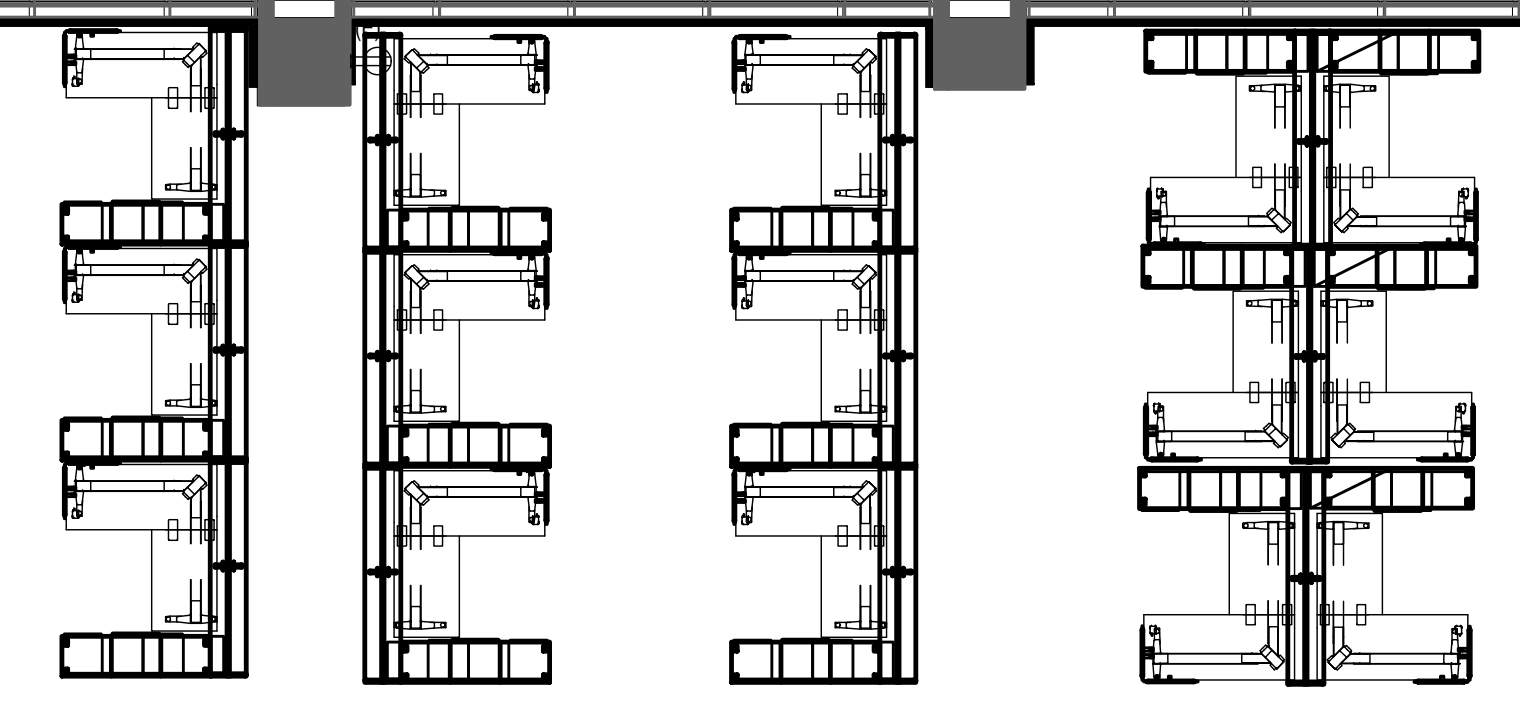
Destination workstation test fit
The ASI delivery model
ALIGN THE LOCATION PACKAGES. CONNECT THE FIELD HANDOFFS.
Each origin had a different combination of contents, services and restoration. ASI connected these scopes with destination furniture work and the assigned construction, technology and access teams.
Define the site packages
Connect four origin-office workstreams, keeping floor packages and site-specific requirements distinct.
Dismantle and rebuild
Coordinate Broomfield workstation teardown and downtown rebuild with Atlantic's transport responsibilities.
Coordinate service removals
Bring electrical, low-voltage and supplemental-cooling removal interfaces into the origin decommissioning packages.
Address affected conditions
Connect wall scar patching, bounded roof-opening repair and related restoration with the removed workplace systems.
Keep team boundaries clear
Coordinate furniture with the destination construction and client technology teams, rather than treating all tenant improvements as ASI work.
The outcome
ORIGIN SCOPES CONNECTED. DESTINATION WORK COORDINATED.
The executed field packages included furniture teardown and rebuild, wall scar patching, supplemental-cooling removal and bounded roof repairs. Installed destination lettering adds a distinct finished exterior element.
Furniture reuse
Workstation dismantling at Broomfield was connected to rebuild at the downtown destination.
Targeted wall restoration
Completed scar patching is documented at Broomfield and Colorado Boulevard.
Mechanical and roof interfaces
Supplemental-cooling removal and closure of affected roof openings were coordinated as bounded field packages.
Defined destination roles
Furniture and signage work sat alongside separately assigned tenant-improvement, technology and access responsibilities.
Field execution
MULTIPLE SPACES. CONNECTED WORK STAGES.
The selected views show the original Broomfield workplace and collaboration space, downtown destination preparation and installed destination signage. Each photograph depicts its own site and phase.
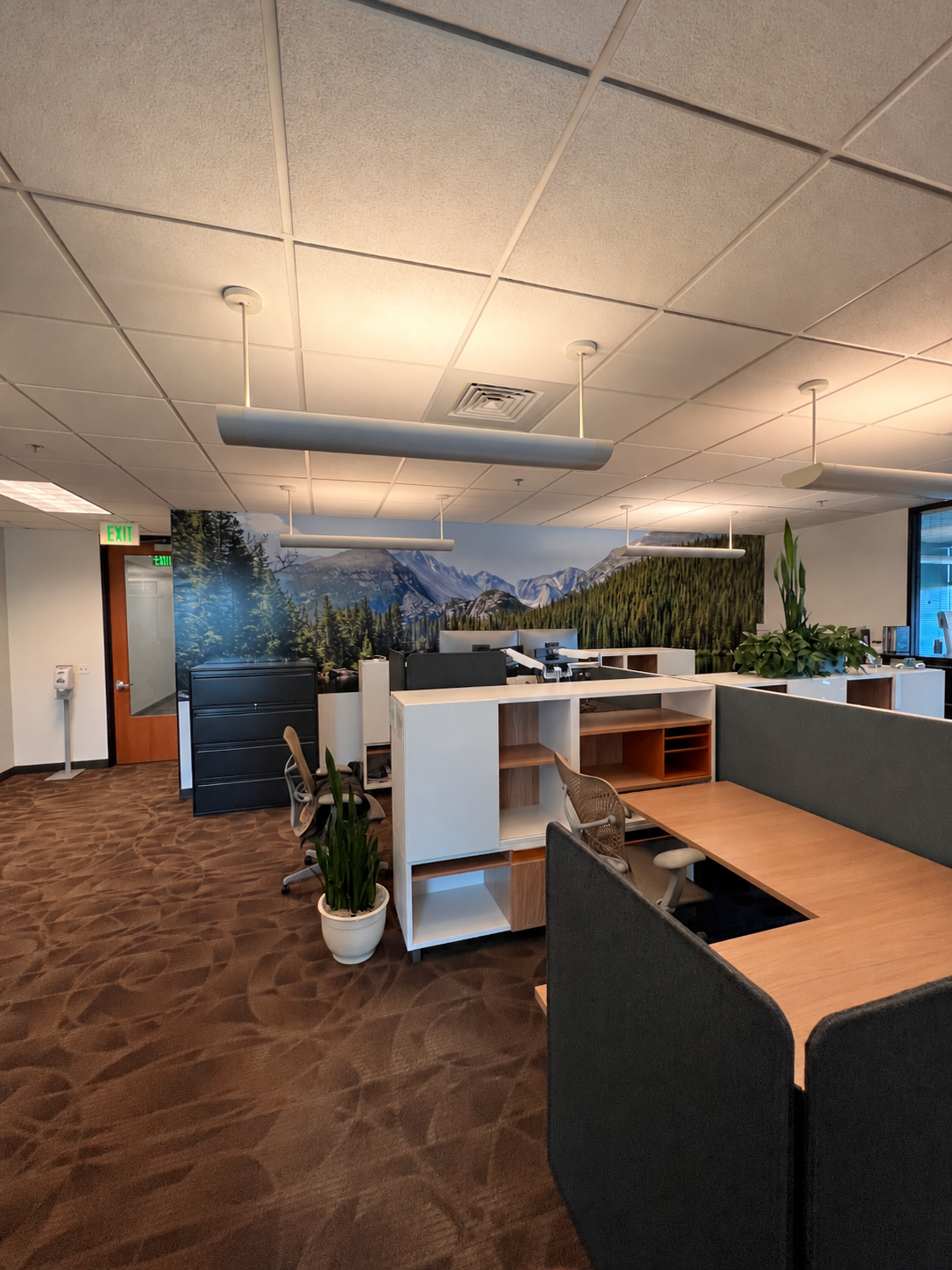
Broomfield workplace | Before
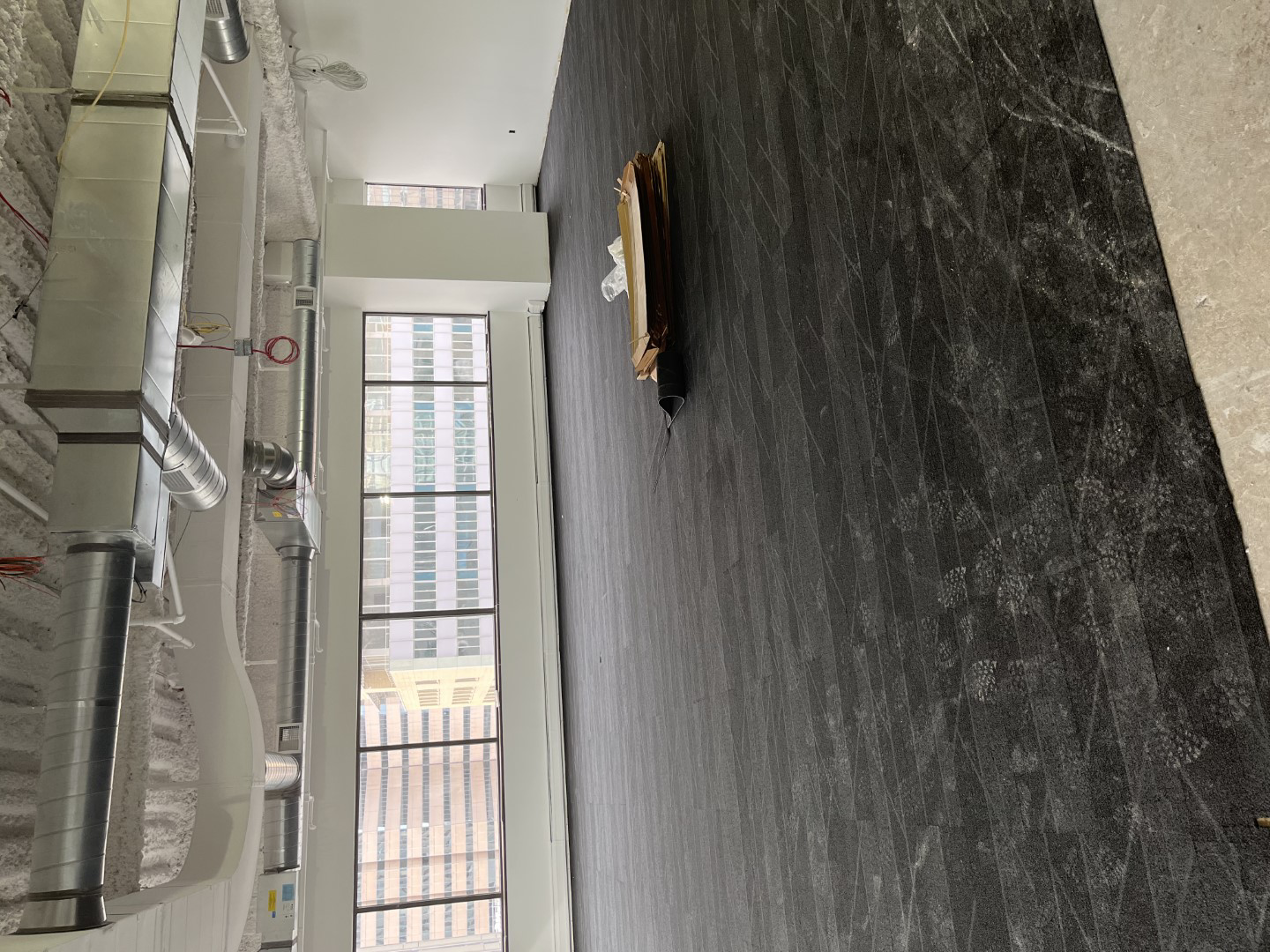
Destination preparation | In Progress
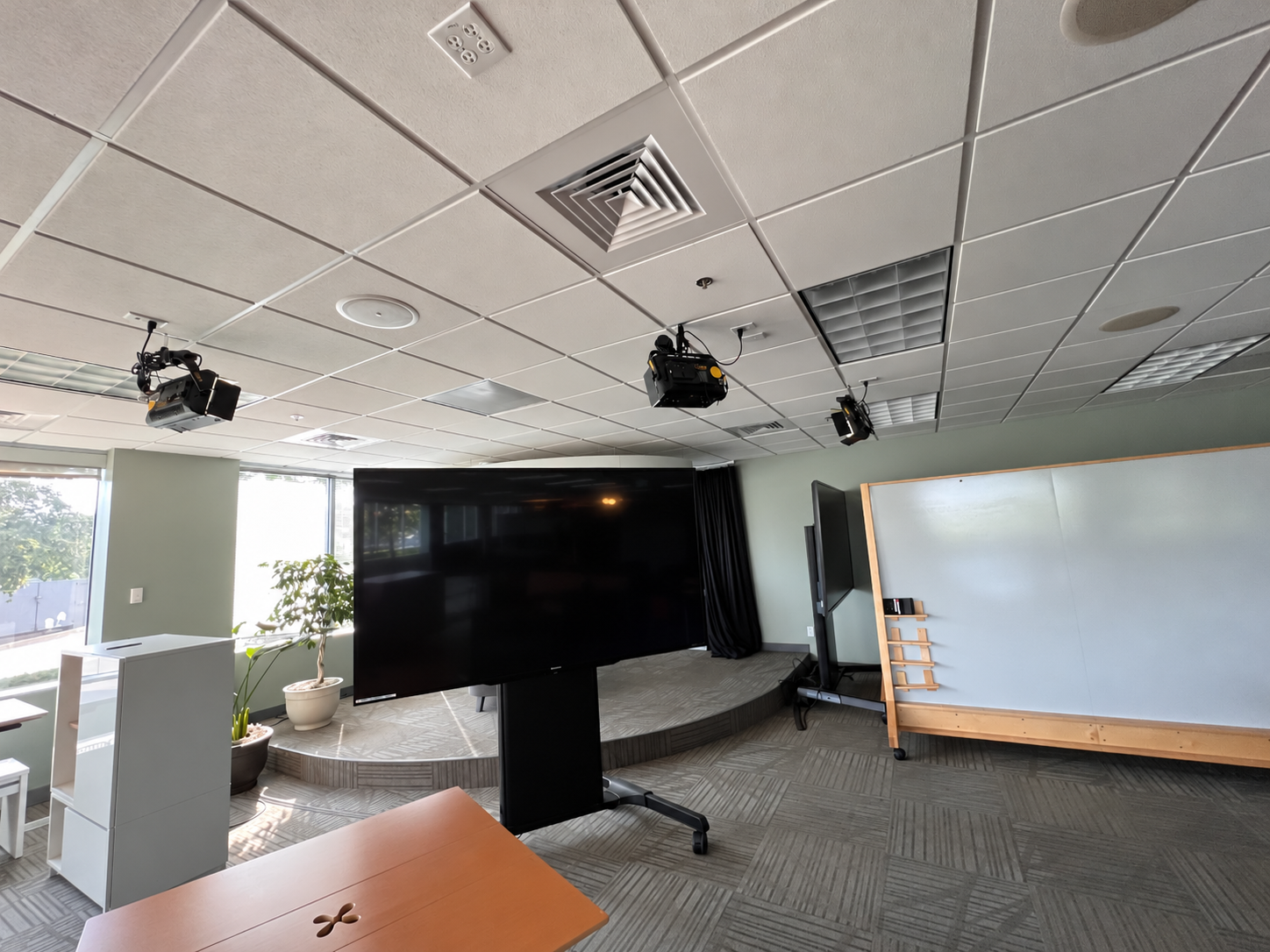
Broomfield workplace room | Before
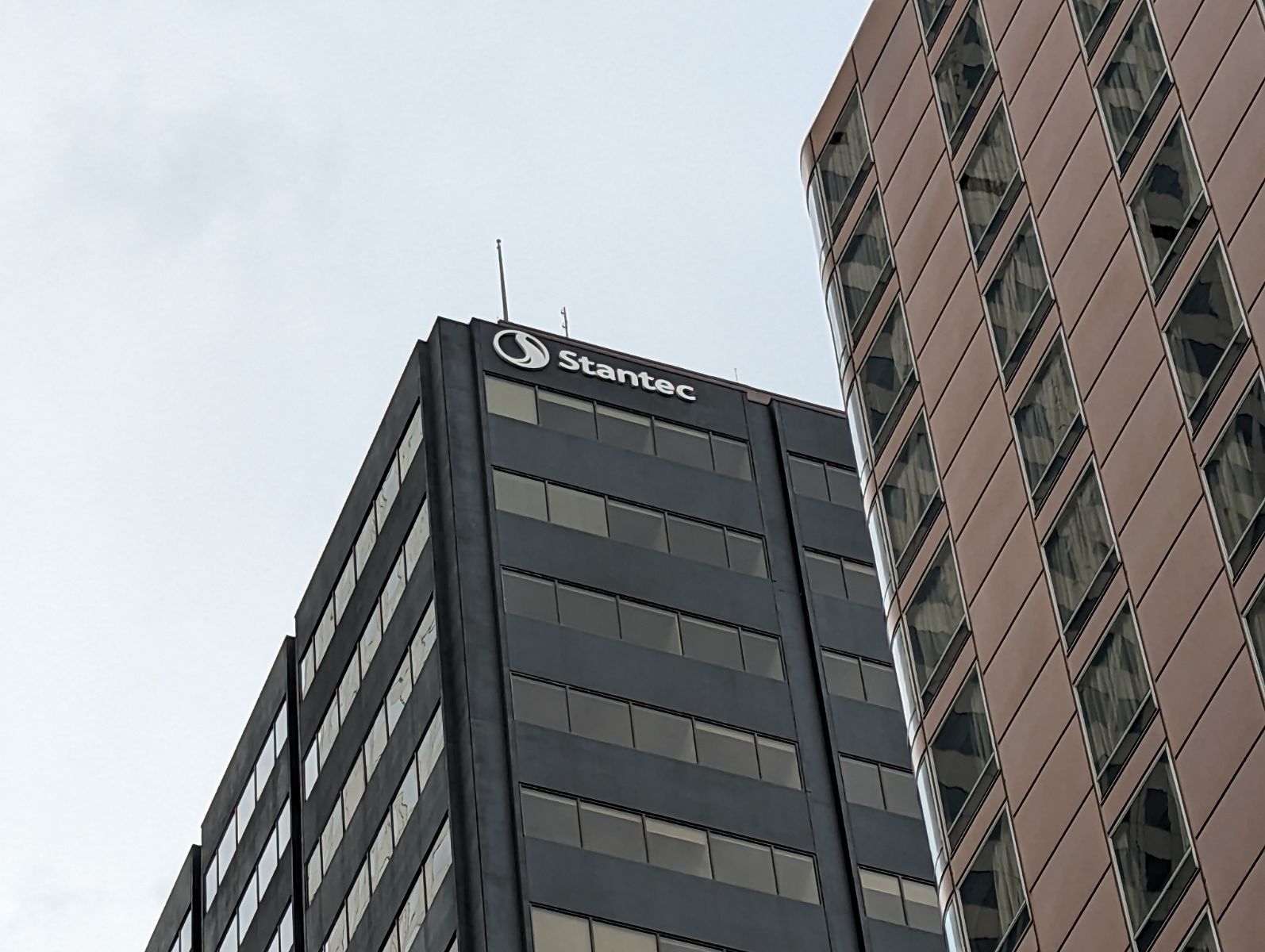
Destination signage | Completed
Read the full case study.
ASI connected furniture work, multi-trade origin decommissioning and targeted restoration within one Denver metro consolidation assignment. Separate location scopes and responsible teams remained defined throughout the coordination.

One accountable partner.
PLANNING A MULTI-SITE WORKPLACE TRANSITION?
ASI connected workstation teardown and rebuild with the origin restoration packages. Defined responsibilities separated furniture labor, transport and destination trade work, keeping the interfaces visible across locations.